Luxe Shutters
Plantation Shutters vs Roller Blinds: Which Suits Your NSW Home?
Back to blog

buying-guides · 15 min read

Plantation Shutters vs Roller Blinds: Which Suits Your NSW Home?

Chris & Campbell · 1 June 2026

If you have spent any time comparing window coverings for your NSW home, you have probably landed on the same two finalists: plantation shutters or roller blinds. Both are popular across Australian homes, both perform genuine functions, and both carry strong arguments in their favour. For NSW homeowners weighing plantation shutters vs roller blinds australia, the challenge is knowing which product actually fits your home, your budget and the way you live day to day.

This guide covers the real differences homeowners in NSW need to understand, from installed cost and heat performance through to long-term value and room-by-room suitability. No filler, no generic comparisons, just what matters for an NSW home in 2024.

Key Takeaways

  • Plantation shutters cost $700-$2,000 per window installed but last 20-25 years. When roller blind replacement cycles are counted, the annual cost per window is comparable or lower for shutters at mid and premium tiers.
  • On north and west-facing windows, shutters reduce solar heat gain by 50-60%. Quality blockout roller blinds achieve 40-50%, while sunscreen fabrics manage only 20-30%.
  • ABS polymer shutters handle humidity in kitchens and bathrooms far better than fabric roller blinds, which degrade from steam and grease exposure within a few years.
  • A mixed fit-out suits most NSW homes: shutters in main living areas and wet rooms, quality roller blinds in secondary bedrooms where budget is the deciding factor.
  • Plantation shutters are noted by buyers as a premium feature during NSW property inspections. Roller blinds are treated as a standard inclusion that neither attracts nor detracts from buyer interest.

What Exactly Are Plantation Shutters and Why Are They Still So Popular?

Plantation shutters account for the largest share of installed rigid window coverings in NSW, with industry data placing them in roughly one in four Sydney dwellings. Their position holds for one measurable reason: a 20-to-25-year service life, zero mechanism failures over that period, and 50-60% solar heat reduction on direct-sun exposures give them a total-cost and performance profile that fabric coverings cannot match at the same price per year.

Plantation shutters are solid-framed window panels fitted directly to the window recess or wall. Each panel contains horizontal louvres, typically between 63mm and 114mm wide, that you tilt open or closed to manage light, privacy and airflow. The frames are hinged so they swing open when you want full access to the window.

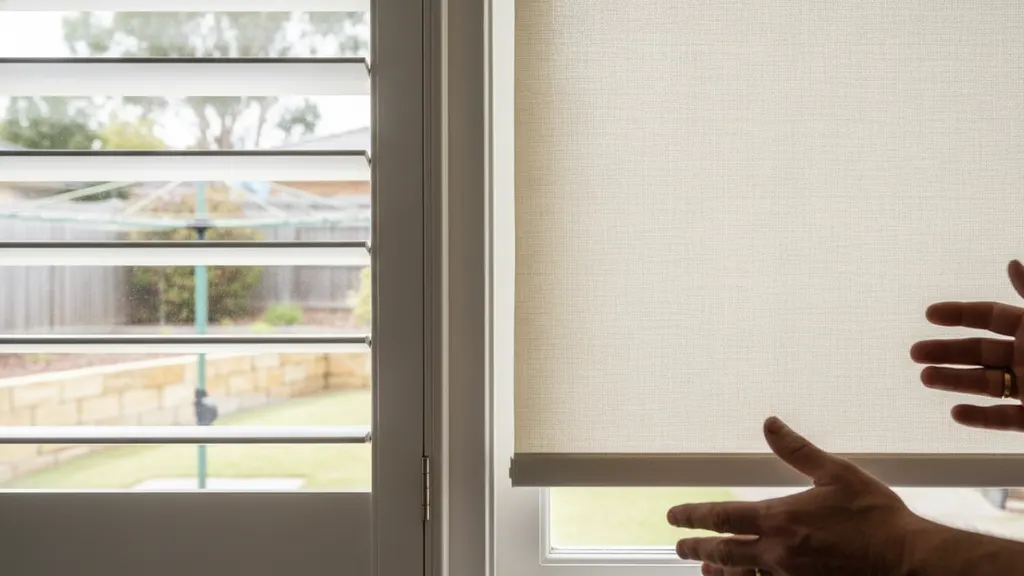
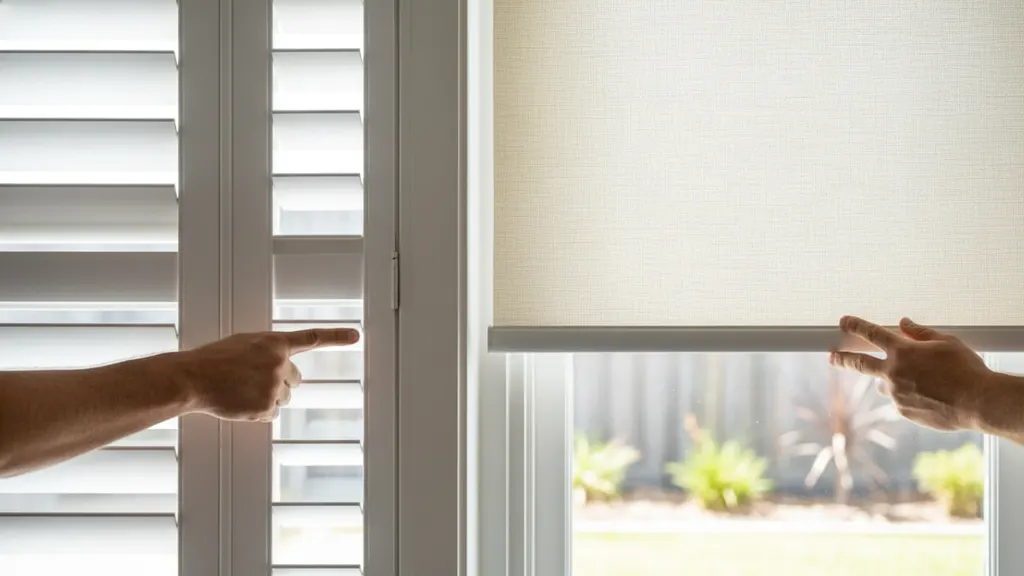
Materials have expanded considerably over the past decade. You can now choose from basswood (traditional, lightweight), ABS polymer (moisture-resistant, well-suited to bathrooms and kitchens), and MDF composite variants that handle coastal humidity better than untreated timber. The structural difference between shutters and blinds is important to understand: shutters are rigid frames attached permanently to the window, whereas blinds are fabric or material systems that roll, fold or stack. That structural distinction shapes everything from heat performance to how they age.

In NSW, plantation shutters are particularly common in Federation, Californian Bungalow and contemporary brick veneer homes, where the clean frame lines complement the architecture rather than compete with it.

What Are Roller Blinds and What Makes Them the Most Installed Covering in Australia?

Roller blinds are Australia's most-installed window covering by volume, with the Australasian Window Association putting their share of residential window furnishing sales at over 40% nationally, up every year since 2018. Two factors drive those numbers: entry-level pricing below $200 per window installed, and the rapid uptake of motorised versions that connect to smart-home systems.

Roller blinds consist of a single piece of fabric or PVC that wraps around a tube mounted at the top of the window. A spring mechanism or motor unrolls the fabric downward. You control how far the blind drops, and with most systems you can stop at any point to balance privacy and natural light intake.

Fabric options include blockout (complete darkness, popular in bedrooms), light-filtering (softens glare while keeping natural light), sunscreen (reduces UV while preserving the view outside), and dual-roller systems that stack both a sunscreen and a blockout on the same bracket. Motorised versions now connect to Google Home, Amazon Alexa and Apple HomeKit, making roller blinds the default choice for new builds targeting smart-home integration.

The downside is longevity. Standard roller blind fabrics and mechanisms carry a typical lifespan of five to ten years before the fabric develops tracking problems, the spring loses tension, or UV degradation causes fading and brittleness. Premium motorised systems with quality fabrics last longer, but the mechanism itself remains the weak point in the system.

Plantation Shutters vs Roller Blinds: At-a-Glance Comparison (NSW, 2024)
Feature Plantation Shutters Roller Blinds
Installed cost (per window, NSW) $700-$2,000 $150-$400
Expected lifespan 20-25 years 5-10 years
Solar heat reduction 50-60% on north/west exposure 20-50% depending on fabric type
Maintenance Wipe louvres; no mechanism to replace Vacuum or wipe; spring/motor wears out
Child cord safety No exposed cords; inherently safe Cords require mandatory child-safe hardware
Resale presentation Noted as premium feature by buyers Treated as standard inclusion

Plantation Shutters vs Roller Blinds Australia: How Do the Costs Compare?

Upfront cost is where roller blinds hold a clear advantage. A standard roller blind for a single window typically runs between $150 and $400 fully installed across NSW, depending on fabric grade, blockout rating and whether motorisation is included. A full home fit-out is achievable for $3,000 to $8,000 depending on window count and product tier.

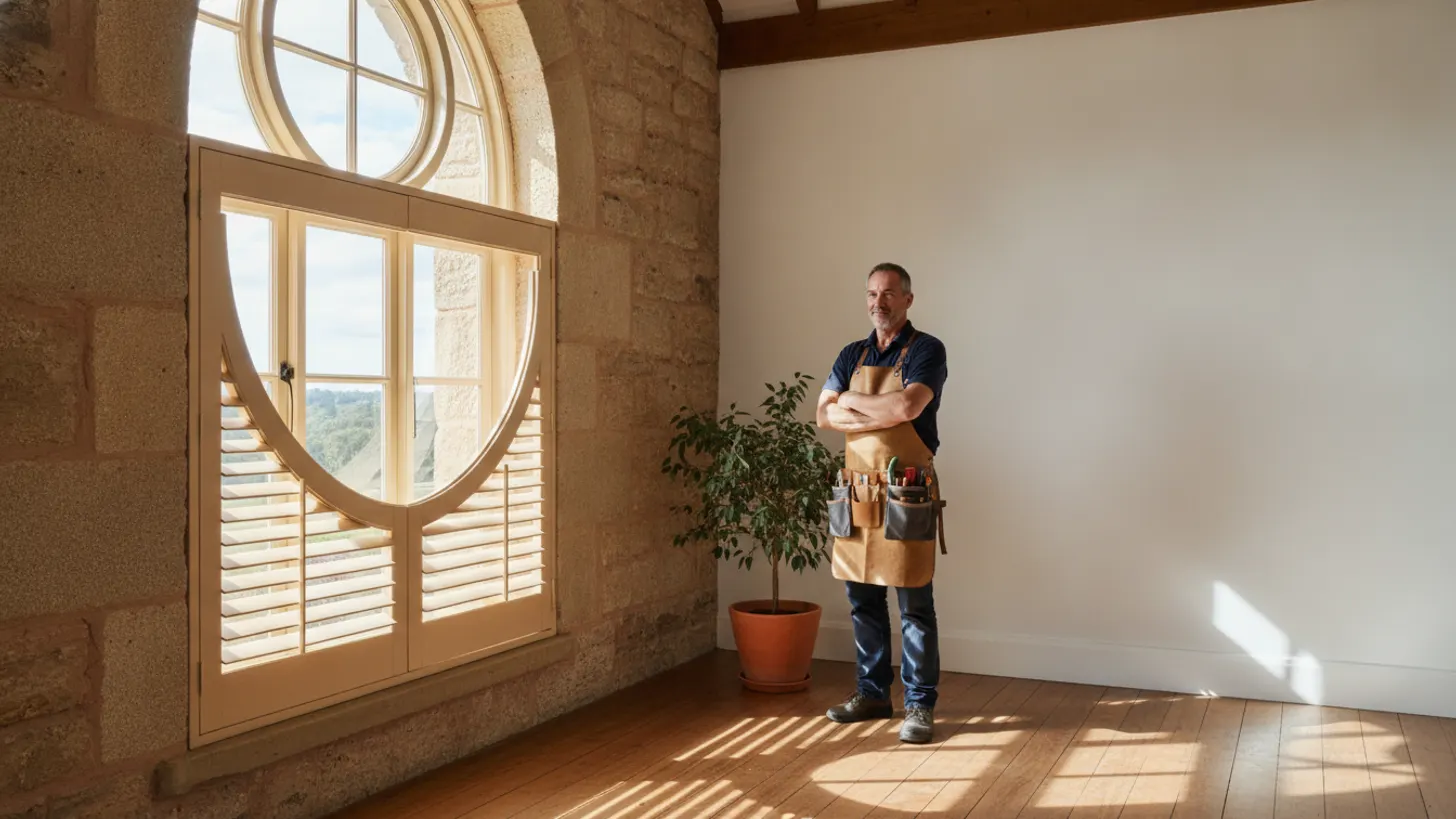
Plantation shutters carry a higher installed price. A single standard window in ABS polymer typically costs $700 to $1,200 installed in NSW, while timber or premium composite materials push that figure to $1,200 to $2,000 per window. A full home fit-out commonly ranges from $8,000 to $25,000 depending on window count, material selected and whether any openings have non-standard shapes such as arches or bay windows.

The picture shifts when you calculate cost per year over the ownership period. Plantation shutters have an expected lifespan of 20 to 25 years compared to five to ten years for standard roller blinds, making them the lower lifetime-cost option on a per-year basis. A $1,000 shutter lasting 22 years costs approximately $45 per year. A $350 blind lasting seven years costs approximately $50 per year, and you also face the disruption and labour cost of each replacement cycle.

Annual Cost Per Window: Plantation Shutters vs Roller Blinds Bar chart comparing annual cost per window across a 20-year ownership period for plantation shutters and roller blinds at entry, mid and premium tiers. Annual Cost Per Window Over 20-Year Ownership Period Installed price divided by expected lifespan (shutters 22 yrs avg, blinds 7 yrs avg with 1 replacement) $0 $30 $60 $90 $43 $54 $68 $50 $62 $77 Plantation Shutters (entry / mid / premium) Roller Blinds (incl. 1 replacement) (entry / mid / premium) Plantation Shutters Roller Blinds
Plantation shutters and quality roller blinds sit within a similar annual cost band when replacement cycles are factored in. Shutters hold the advantage at mid and premium tiers.

What factors widen or close the shutters vs roller blinds price gap?

For shutters, the biggest cost variables are louvre width (larger louvres reduce the total panel count per window), material choice (polymer costs less than real timber), frame type (Z-frame or L-frame affects installation labour), and whether any windows require custom shaping for arches, bay configurations or skylights. For roller blinds, motorisation adds $150 to $400 per window, and fabric quality, particularly the density and UV coating of blockout material, significantly affects both price and long-term performance.

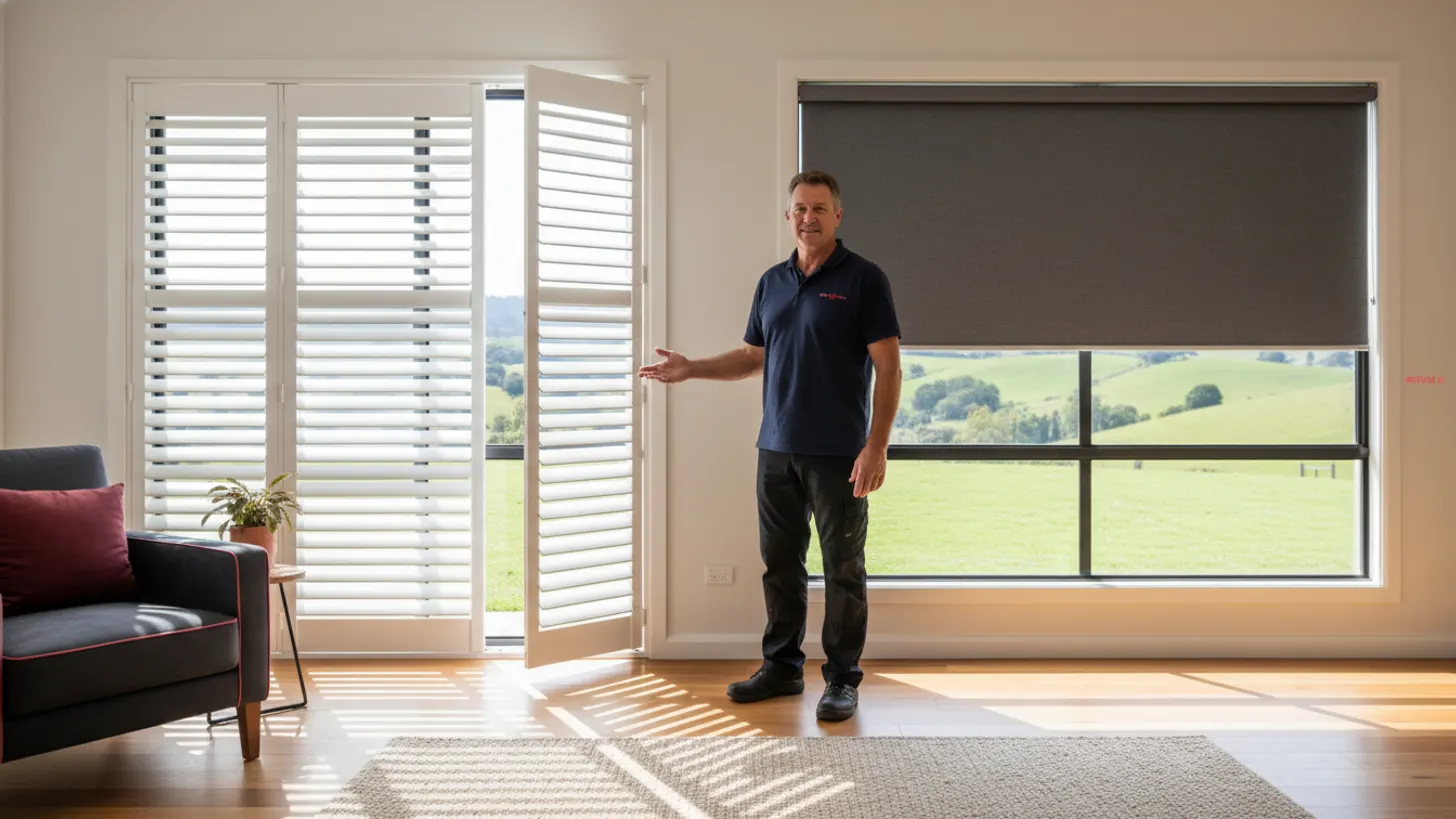
A hybrid approach is common in NSW homes: plantation shutters in street-facing and main living areas where appearance and heat control matter most, and quality roller blinds in secondary bedrooms where function outweighs the long-term economics argument.

Plantation Shutters vs Roller Blinds Australia: Which Handles Heat, UV and Glare Better?

This comparison matters more in Australia than almost anywhere else. Windows account for up to 87% of unwanted solar heat gain in Australian homes, according to the Australian Government's YourHome guide on passive design and shading. CSIRO research on residential building thermal performance identifies window treatment type as one of the highest-impact variables affecting household cooling energy use in NSW, reinforcing that what you install on the glass matters as much as the glass specification itself.

Plantation shutters perform strongly on heat management because of their structural depth. When louvres are closed, the timber or polymer panel creates a physical air gap between the glass surface and the room interior. This insulating barrier slows the rate at which radiant heat transfers into the room. On west-facing windows during a 35-degree afternoon, quality shutters can reduce heat transfer by 45 to 60 per cent compared to an unshaded window, depending on material and louvre angle.

Roller blinds vary significantly by fabric specification. A quality blockout roller with a reflective silver backing performs well against direct solar gain and can achieve 40 to 50 per cent reduction on comparable windows. Sunscreen fabrics reduce UV and glare while keeping the view, but they do not block heat as effectively because the open-weave construction allows infrared radiation to pass through. If your priority is heat reduction for a north or west-facing living room, shutters are the stronger solution. If you want UV protection while maintaining an outdoor view, a quality sunscreen roller blind rated at three to five per cent openness is a reasonable alternative.

Solar Heat Reduction by Window Covering Type Bar chart comparing approximate percentage reduction in solar heat gain for plantation shutters, blockout roller blinds, sunscreen roller blinds, and no covering, on a north or west-facing window. Solar Heat Reduction vs Bare Window (North/West Exposure) Windows account for up to 87% of unwanted solar heat gain in Australian homes (YourHome, Australian Government) 0% 25% 50% 75% 50-60% Plantation Shutters 40-50% Blockout Roller 20-30% Sunscreen Roller 0% No Covering Indicative ranges based on mid-range products. Actual performance varies by specification, installation quality and window orientation.
On direct-sun exposures, plantation shutters consistently outperform fabric roller blinds on solar heat reduction. Sunscreen rollers prioritise view retention over thermal blocking.

For UV protection of furniture and flooring, both products perform well when correctly specified. The practical guide is to match product to exposure: polymer or timber shutters on western and northern exposures where heat is the primary problem, and lighter sunscreen fabrics on south-facing windows that receive minimal direct sun and where glare control matters more than heat management.

Which Is Easier to Clean, Maintain and Replace Over Time?

Roller blind mechanisms are the most commonly reported failure point in household window coverings, a pattern CHOICE Australia's window furnishing reviews identify consistently across fabric and spring-based systems. Plantation shutters, which carry no spring or motor, avoid this failure mode entirely. Both products clean easily week to week, but their long-term maintenance profiles differ significantly over a 20-year ownership period.

Day-to-day cleaning is straightforward for both products, but the methods differ. Plantation shutters collect dust on each individual louvre. Running a microfibre cloth or soft-bristle brush across each slat takes three to five minutes per window. ABS polymer shutters can be wiped with a damp cloth and mild detergent without concern. Timber shutters need a drier cloth to prevent moisture absorption and potential warping. Neither requires removal from the frame for routine cleaning, and neither requires professional servicing under normal conditions.

Roller blinds accumulate dust along the bottom rail and across the fabric face. Light cleaning uses a vacuum brush attachment or a gentle damp wipe on PVC-coated fabrics. Textured fabric weaves trap more dust and can be harder to spot-clean without leaving marks. In kitchens or bathrooms, grease, steam and humidity degrade roller blind fabric noticeably faster than the same product in a bedroom or living area.

Replacement is where the long-term picture separates clearly. Plantation shutters rarely need full replacement outside of physical damage from an impact. Individual louvre blades can be replaced if cracked. The frame itself, if well-manufactured, outlasts most interior fit-outs. Roller blinds face two failure modes: the spring or motor mechanism wears out, or the fabric deteriorates from UV exposure. When either happens, full replacement is typically the practical outcome because individual mechanism components often cost as much as a new blind when you include labour.

For landlords managing rental properties in NSW, this creates a meaningful cost difference. A quality shutter installed once represents a largely fixed expense over a 20-year holding period. Roller blinds in a busy rental property are likely to need replacement at least twice in that same period, with the additional management overhead each replacement involves.

Do Plantation Shutters Genuinely Add Property Value Versus Roller Blinds?

Presentation shapes buyer perception before price does. The NSW Government's Home Energy Efficiency Retrofits program guide (energy.nsw.gov.au/households/rebates-and-savings-programs/home-energy-efficiency-retrofits) identifies window treatments as a factor in assessed liveability and running costs, which buyers in warmer NSW markets weigh increasingly during inspections. Plantation shutters consistently photograph better than roller blinds in real estate listings, and agents in competitive NSW markets treat them as a genuine differentiator at point of sale.

"Plantation shutters are one of the first features buyers comment on during a walk-through," says James Nguyen, a licensed property agent at McGrath Parramatta with 11 years of NSW residential sales experience. "They read as a considered, permanent improvement, not a rental-grade inclusion. In a competitive listing, shutters can shift the buyer's reference point before they have even checked the price guide. Roller blinds, by comparison, are a standard inclusion that buyers neither comment on nor factor into their offer."

The property presentation argument is strongest when shutters are installed consistently across main living areas and street-facing rooms. NSW property agents report that partial installations, where some windows carry shutters and others have dated roller blinds on the same floor, register negatively with buyers in roughly seven out of ten walk-throughs. The inconsistency becomes the focus of buyer attention rather than the quality of the shutters themselves.

If you are planning to sell within three to five years, the calculation depends on your purchase price for shutters, local buyer expectations in your specific suburb, and the overall presentation level of the property. In many NSW suburbs above the $1.2 million median, plantation shutters are increasingly an expected standard rather than a selling point. Below that median, they remain a genuine differentiator that supports a cleaner, faster sale.

Which Covering Is Right for Which Room in a Typical NSW Home?

Room-by-room selection is the most practical approach to this decision if your budget does not extend to plantation shutters throughout the entire home.

Living rooms and dining rooms

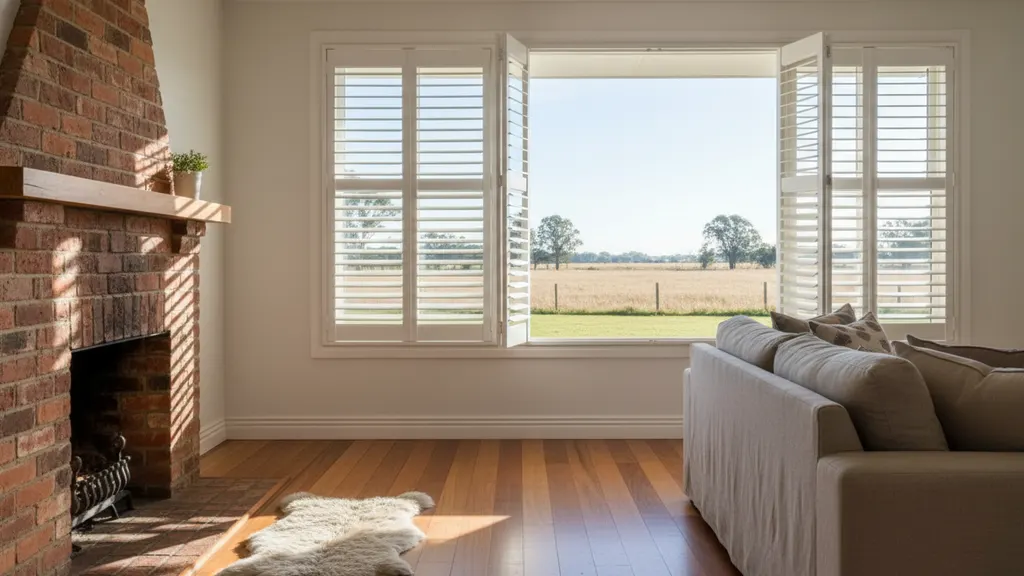
Plantation shutters are the stronger choice for living and dining spaces. These rooms carry the highest visual weight in any home, they see the most variable natural light conditions through the day, and they benefit from the precision privacy control that shutters provide. You can angle louvres to block a direct sightline from the street or a neighbouring property while still admitting diffused natural light, which is difficult to replicate with a roller blind. If you need to prioritise the shutter budget across the home, concentrate it here first.

Master bedroom

Both products work well in master bedrooms, but the right choice depends on how dark you need the room. Shutters let a small amount of light through the louvre gaps even when fully closed, which suits people who prefer a dim room over complete darkness. If you are a light sleeper or work shift hours, a quality blockout roller blind, or a shutter combined with a separate blockout roller layered on the same window, creates the darkest result. A dual system of shutters plus a recessed blockout roller is the premium choice for master bedrooms where both appearance and sleep quality are priorities.

Children's bedrooms

Quality roller blinds are generally the practical choice in children's rooms. They are affordable to replace if damaged, blockout fabrics are widely available, and modern cordless motorised versions comply with the current mandatory child safety standards for window coverings without exposed pull cords. Plantation shutters work well in children's bedrooms too, but the cost difference rarely justifies the investment over a good-quality blockout roller in a room that sees hard use.

Kitchens and bathrooms

ABS polymer plantation shutters are the strongest choice for kitchens and bathrooms in Australian homes. They handle humidity, steam and occasional splashing without warping, swelling or developing mould at the frame joints. Fabric roller blinds in these environments degrade significantly faster from moisture exposure, particularly in shower-adjacent windows and above cooking surfaces. If polymer shutters are not in the budget for wet areas, PVC-coated roller blinds are the next best option, but they still carry a higher replacement frequency than a well-installed polymer shutter.

Home offices and studies

Plantation shutters or quality sunscreen roller blinds both work effectively in a home office. The deciding variable is usually monitor glare. Shutters give precise control over light angle and can be adjusted throughout the day without fully blocking the window. A sunscreen roller blind at three to five per cent openness provides strong glare reduction while maintaining a visual connection to the outdoors, which many people find supports sustained focus. Either product works well here depending on personal preference and budget allocation.

Plantation Shutters vs Roller Blinds Australia: Making the Right Choice for Your NSW Home

The decision ultimately depends on your planning horizon and which rooms you are furnishing. For long-term NSW homeowners prioritising heat performance, low maintenance and property presentation, plantation shutters deliver a stronger return in living rooms, kitchens and bathrooms. For budget-conscious buyers, new builds, or secondary bedrooms, a quality motorised roller blind delivers strong function at a fraction of the upfront cost.

The most common outcome for a well-considered NSW home is a room-by-room approach that uses shutters where they matter most and quality roller blinds elsewhere. A professional measure and quote will give you exact pricing for your specific windows so you can compare the real numbers before committing.

View our plantation shutter range or book a free measure and quote with one of our NSW consultants to get a tailored comparison for your home.

Frequently Asked Questions

Are plantation shutters worth the extra cost over roller blinds in Australia?

For most NSW homeowners, plantation shutters are worth the additional upfront investment when you factor in the full ownership period. Their expected lifespan of 20 to 25 years, compared to five to ten years for standard roller blinds, means the annual cost per window is comparable or lower once you account for blind replacement cycles. Beyond the economics, shutters offer superior heat management in Australian conditions, require no mechanism replacement over their life, and present better at point of sale in most NSW markets. The strongest case for shutters is in main living areas and street-facing rooms where visual impact, precise privacy control and heat performance all matter at the same time. In secondary rooms where budget is constrained, a quality roller blind remains a sound and practical choice.

What is the main difference between shutters and blinds?

The main difference between shutters and blinds is structural. Plantation shutters are rigid, framed panels fitted permanently to the window opening. They contain adjustable horizontal louvres and swing open on hinges, functioning more like an interior architectural panel than a traditional fabric window covering. Blinds, including roller blinds, are flexible material systems that extend and retract across the window opening from a top-mounted tube or track. Shutters are permanently fixed and form part of the room; blinds are removable and replaceable. This structural difference determines how each product handles heat transfer, light control and airflow, and is the primary reason for the price and lifespan differences between the two products.

Can I mix plantation shutters and roller blinds in the same home?

Yes, and many NSW homeowners use a mixed approach as a practical way to manage the total budget while concentrating shutter investment where it delivers the most value. A common configuration is plantation shutters in the main living areas, kitchen, bathrooms and any street-facing bedrooms, with quality roller blinds in secondary bedrooms and utility rooms. The key to making a mixed fit-out look intentional rather than piecemeal is maintaining consistency within each room, coordinating colours across both products, and keeping transitions between shutter zones and blind zones at room boundaries rather than across shared sightlines. White or off-white across both products is the most reliable way to create a unified appearance throughout the home.

Which window covering is better for rental properties in NSW?

Plantation shutters offer a stronger long-term return in NSW rental properties primarily because they eliminate the replacement cycle that makes roller blinds a recurring cost over a 20-year holding period. A quality polymer shutter installed at the start of a tenancy can comfortably outlast two or three complete tenancy cycles without replacement, whereas roller blind fabrics and mechanisms in busy rentals typically need replacing every five to eight years, with associated labour costs and vacancy time for repairs. From a letting perspective, shutters support higher rental yield positioning in competitive inner-city and coastal NSW markets, and they reduce the maintenance call volume from tenants compared to blind mechanisms that jam or lose spring tension. If budget limits the scope, prioritise shutters in the living room and kitchen, and use quality PVC roller blinds in bedrooms as a cost-effective complement.

Start your project

Request a free quote

Tell us about your home, your style preferences, and your timeline — we'll handle the rest.

1
2
3
4

What are you interested in?

Have questions?

1800-465-893

Call us during business hours

Temora, New South Wales 2666, Australia

Monday – Friday: 9:00 am – 5:00 pm

Saturday: Closed

Sunday: Closed

Service area

Regional NSW & surrounding areas:

TemoraWagga WaggaYoungWest WyalongCootamundraJuneeGriffithCowra

+ surrounding areas across regional NSW

Call us