Coastal Living · 17 min read
Window treatments for Newcastle homes: coastal salt air and heat
Chris & Campbell · 15 July 2026
Which window treatments Newcastle NSW homes actually survive salt-laden southerlies, 40-degree westerly heat, and a UV load among the fiercest on Australia's east coast? Newcastle's climate is a hardware killer. Chris and Campbell have measured hundreds of homes across the Hunter and Riverina, and the answer is not one product but a materials-first mindset. Pick components rated for C4 or C5 coastal exposure, block westerly gain before it hits the glass, and expect a fifteen-year window on quality installs.
How Newcastle's coastal climate shapes window treatments Newcastle NSW choices
Newcastle sits in a rare climate slot: subtropical humidity, high UV, salt-laden sea breezes, and gusting westerlies off the inland plains. Every one of those variables punishes window furnishing hardware. According to Bureau of Meteorology climate averages for Newcastle, the city averages around 2,500 sunshine hours per year.
The corrosion story is even sharper. AS/NZS 2312, published by Standards Australia, classifies coastal exposure within 1 km of the ocean as C4 or C5. That means unprotected steel and even powder-coated aluminium can show visible pitting inside 3 to 5 years. When we measure and quote a job in Merewether, Bar Beach, or Nobbys, the material spec sheet matters as much as the fabric colour. That is what makes solid window treatments Newcastle NSW decisions a materials-first exercise, not a colour-first one.
Windows facing west or northwest carry the second half of the problem. Afternoon sun angles low through summer, heating rooms well after outside temperatures fall. External shading, according to YourHome guidance on shading, blocks up to 90% of solar gain before it reaches the glass, dwarfing what any internal blind can do on its own. Homeowners familiar with our Wagga Wagga climate guide will recognise the pattern; Newcastle just adds salt on top.
Salt-resistant materials for window treatments Newcastle NSW homes
For coastal Newcastle installs, materials selection is the whole game. PVC and ABS polymers shrug off salt spray. Marine-grade 316 stainless steel resists corrosion for decades. Powder-coated aluminium with a duplex protective system survives, but base-spec aluminium hardware within 500 metres of the surf will fail early.
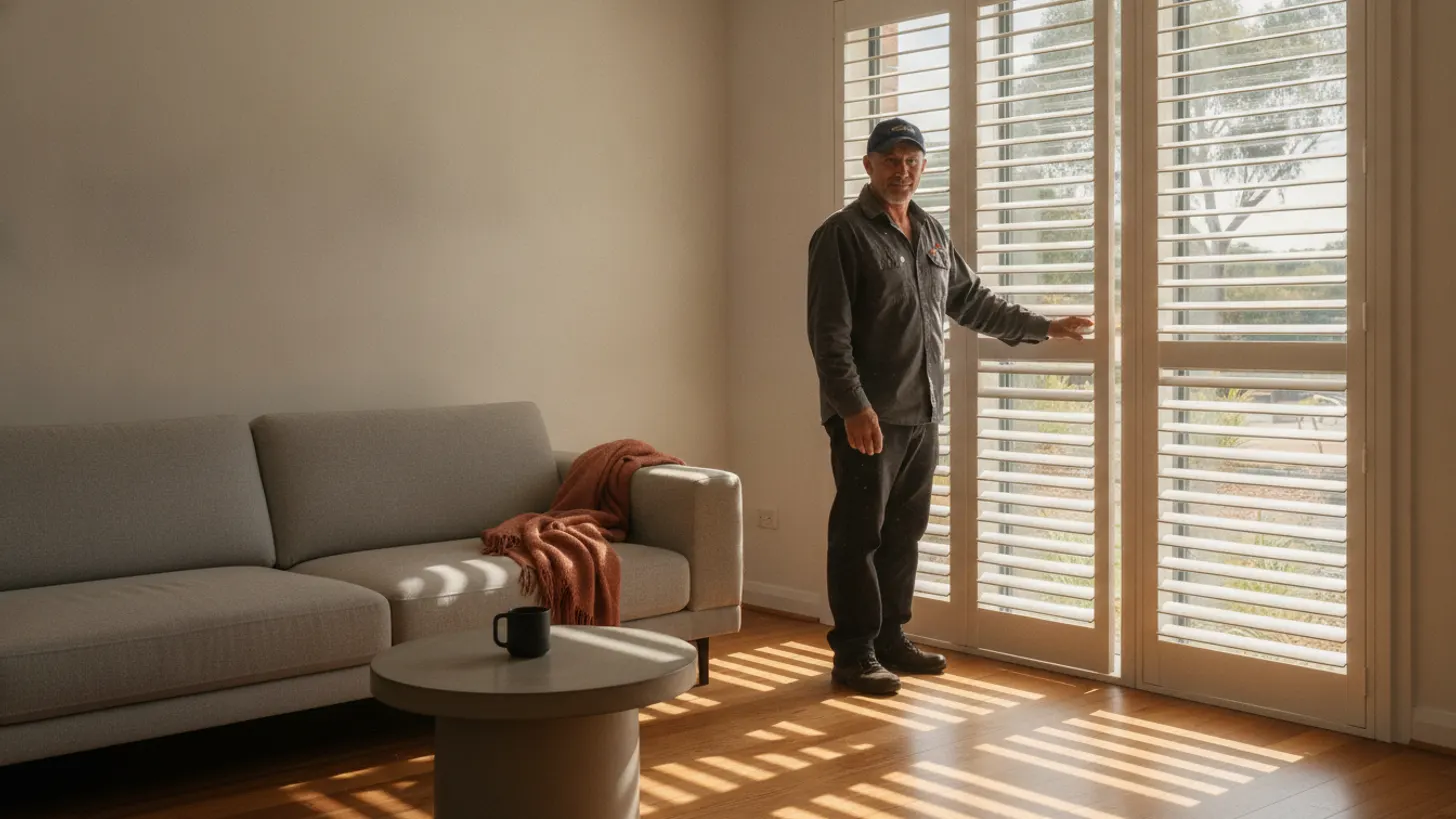
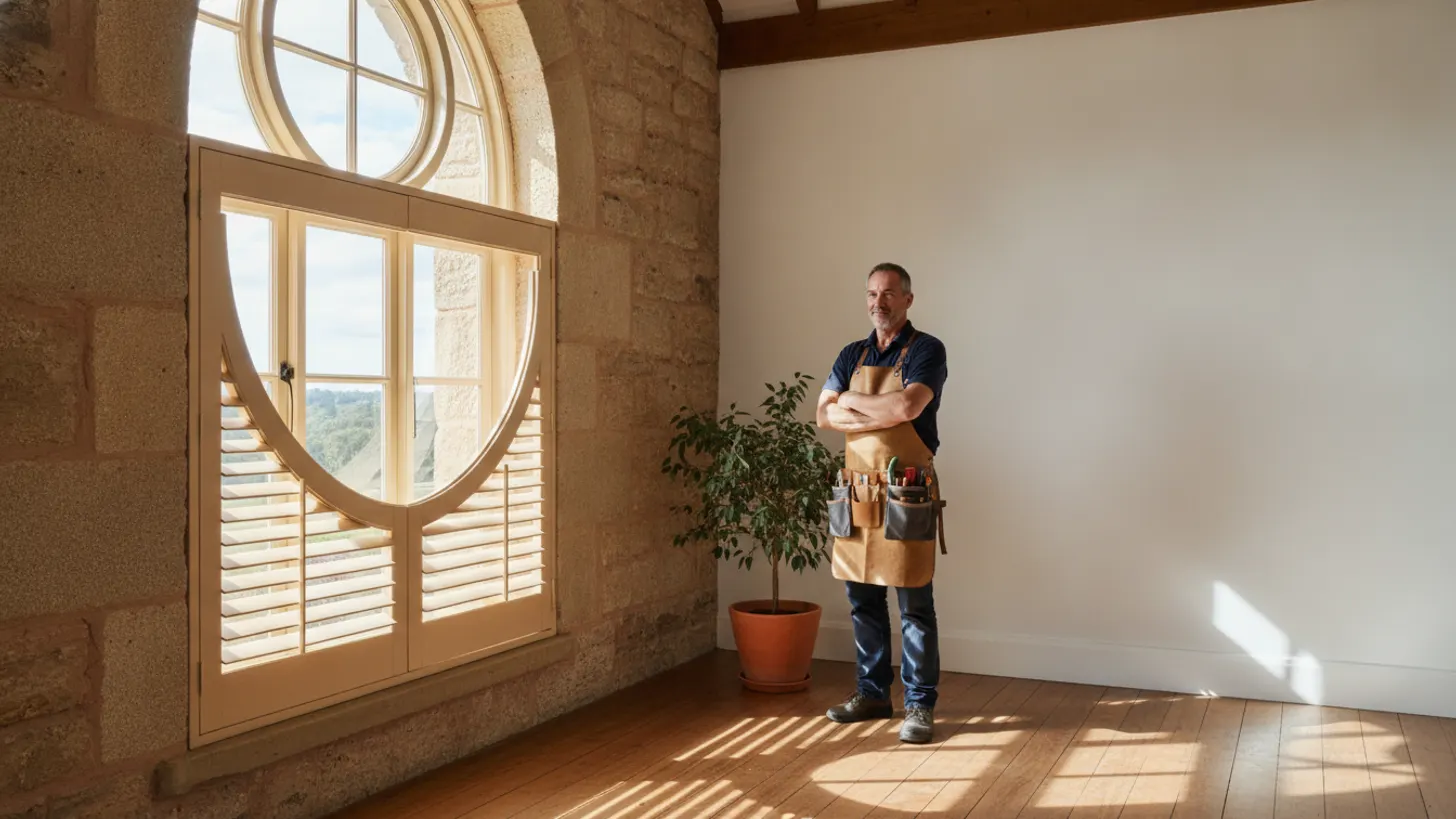
Polymer plantation shutter blades, uPVC roller blind componentry, and 316 stainless brackets are standard on our coastal spec. Timber shutters remain workable further inland, but around Stockton, Merewether, and Newcastle East, we steer homeowners toward waterproof polymer builds. Standards Australia guidance on AS/NZS 2312 corrosivity categories confirms that C4/C5 zones demand these tougher specs. Our detailed timber versus PVC plantation shutter comparison covers the trade-offs in depth for buyers weighing the aesthetic case.
Fabric choice matters too. Sunscreen blinds in acrylic-coated fibreglass hold colour and shape after years of UV and salt exposure, whereas cheaper polyester blends fade and lose tensile strength. When comparing window treatments Newcastle NSW quotes, ask the installer to name the specific fabric brand and its UV rating, not just the colour.
For a closer look at this, see Window treatments for heritage homes in NSW: style and compliance.
Managing westerly heat with window treatments Newcastle NSW
West-facing rooms in Merewether, New Lambton, and Charlestown catch summer afternoon sun for four to five hours a day. Internal blinds alone will not stop that gain. External zipscreens, awnings, or louvred outdoor shutters intercept solar radiation before it reaches the glass, cutting cooling loads sharply.
Energy.gov.au guidance on windows and glazing recommends external shading for west-facing openings. Homes retrofit with external zipscreens on their westerly windows see afternoon room temperatures drop several degrees, which we hear reported back at every follow-up visit. Our outdoor zipscreens guide walks through the install detail.

For homeowners doing full renovations, CSIRO research into building energy performance repeatedly shows that shading strategy outperforms glazing upgrades on a dollar-per-degree basis. That guides our recommendations when we measure and quote larger jobs. Well-chosen window treatments Newcastle NSW pair external shading with insulating internal layers for the strongest thermal result.
Plantation shutters or roller blinds for coastal Newcastle homes?
Polymer plantation shutters on living areas, dual roller blinds in bedrooms, and external zipscreens on west-facing openings: this combination handles Newcastle's coastal conditions best. Shutters carry the thermal and salt-air load, roller blinds offer finer light control at lower cost, and zipscreens stop solar heat before it reaches the glass.
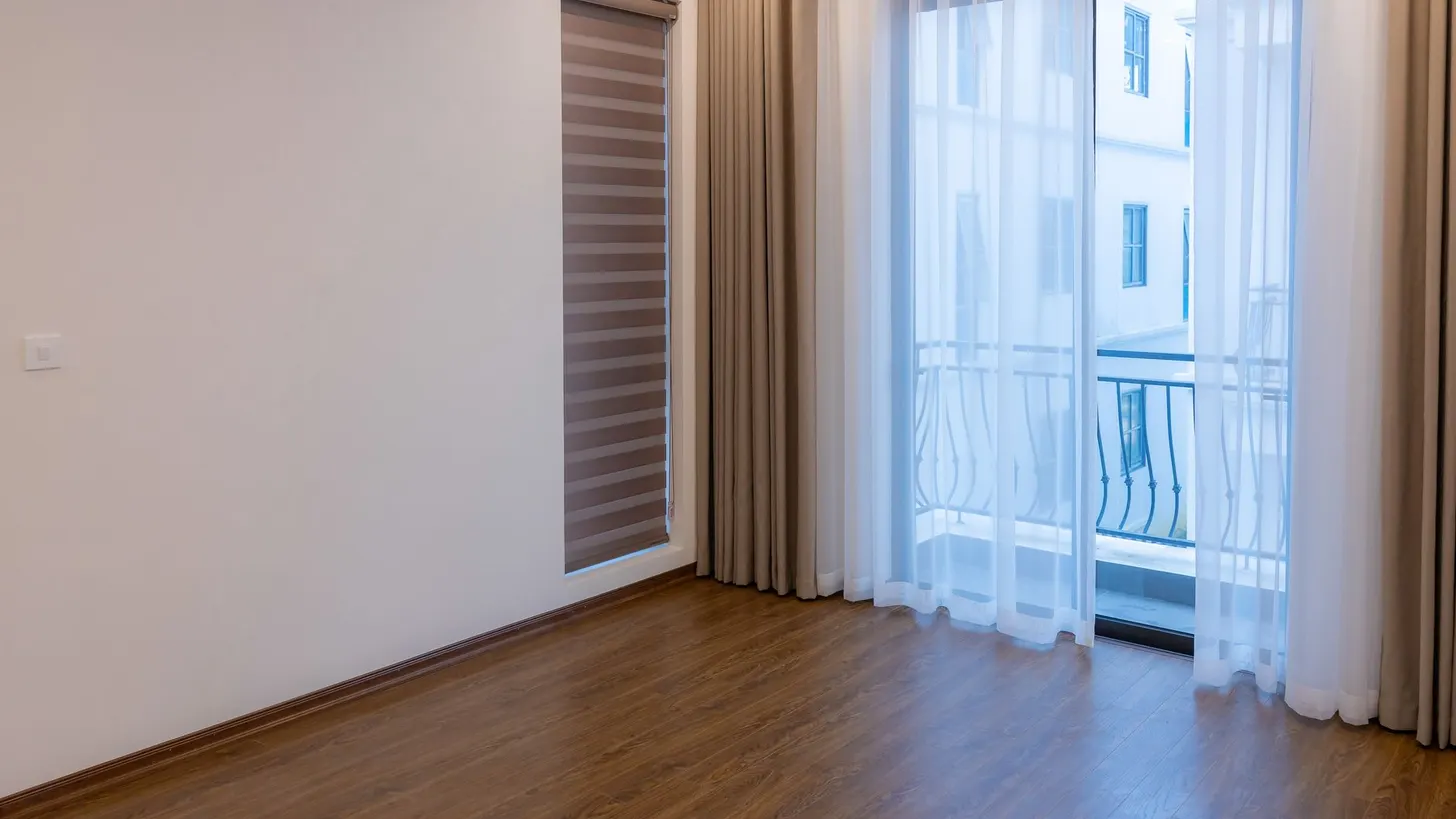
The choice within each room hinges on budget and function. Living areas justify the higher plantation shutter investment because they face the street, handle the most traffic, and benefit most from thermal insulation. Bedrooms get roller blinds because blockout performance is the priority and replacement cost matters more when fabrics take daily mechanical use. For window treatments Newcastle NSW buyers weighing the trade-offs in detail, our plantation shutters versus roller blinds comparison covers the full decision.
| Feature | Polymer plantation shutters | Roller blinds (coastal fabric) |
|---|---|---|
| Salt-air resistance | Excellent (PVC/ABS) | Good with acrylic-coated fabric |
| Thermal performance | Higher, especially closed | Modest, single-layer |
| Expected life in C4 zone | 20+ years | 8-12 years fabric, 15+ hardware |
| Initial cost | Higher | Lower |
| Cleaning effort | Wipe blades quarterly | Occasional vacuum |

We cover the details separately in Sunroom blinds Australia: heat and UV control for NSW homes 2026.
Budgeting for window treatments Newcastle NSW in 2026
Coastal-spec window treatments Newcastle NSW installs run higher than inland equivalents because every hardware tier requires an upgrade: 316 stainless brackets, polymer blades, and acrylic-coated fabrics replace base-spec components that fail in C4 marine zones. Industry-wide pricing research from CanstarBlue's blinds and shutters buying research confirms quality plantation shutters sit at the premium end of window furnishing spend, with variance driven by fabric grade, motorisation, and hardware specification.
Coastal specification adds cost. Marine-grade 316 stainless brackets, polymer shutter blades, and acrylic-coated sunscreen fabrics all carry premiums over basic-spec equivalents. When we measure and quote a coastal Newcastle install, we walk through those upgrade tiers explicitly so the homeowner sees where their dollars go. For deeper energy-return analysis, our energy-efficient window coverings guide lays out the maths.
Cheap installs typically fail early in C4 zones. A twelve-year replacement cycle on cheap fabrics ends up costing more than a single high-quality install engineered for 20-plus years. Master Builders Australia consumer guidance repeatedly echoes this point: cheap upfront often means expensive lifetime. Well-chosen window treatments Newcastle NSW hardware pays back through the second decade of service.
Frequently asked questions
How does salt air actually damage window treatments in Newcastle?
Chloride ions in salt spray attack metal alloys through a process called pitting corrosion. Once initiated, pitting continues even after the visible salt is washed away. Standards Australia AS/NZS 2312 categorises exposure zones from C1 up to C5 severe marine. Newcastle homes within 1 km of the surf typically sit in C4, meaning untreated aluminium components can show pitting within 3 to 5 years. Polymer plastics and 316 stainless steel resist chloride corrosion structurally, which is why our coastal window treatments Newcastle NSW spec eliminates base-grade aluminium hardware. Rinsing your hardware quarterly with fresh water extends life on any spec. Stockton and Newcastle East face particularly concentrated salt exposure due to cross-harbour winds, and we recommend monthly rinsing for any brackets or hinges on street-facing elevations in those suburbs through the summer months.
Which side of a Newcastle home needs the strongest UV protection?
West and northwest-facing windows carry the largest thermal load in Newcastle. Bureau of Meteorology climate data shows Newcastle averages roughly 2,500 sunshine hours annually, with peak intensity striking western elevations between 2 pm and 6 pm through summer. YourHome, the Australian Government residential design guide, recommends external shading on all western openings in warm-temperate zones. UV degradation of internal fabrics also concentrates on those westerly rooms, so sunscreen and blockout fabrics on that facade need the highest UV-rating tier. Prioritise external shading first and internal blinds second on any west-facing window. West-facing bedrooms in New Lambton and Charlestown regularly show fabric fade and tensile failure in basic polyester roller blinds within two to three years. Specifying a marine-grade acrylic-coated sunscreen rated to at least UPF 50 and pairing it with an external awning on those elevations is the specification we carry to every Hunter Region measure-and-quote.
Can I install standard timber plantation shutters in Bar Beach or Merewether?
Timber plantation shutters install beautifully but do not tolerate the marine environment at Bar Beach or Merewether. Salt-laden humidity swells and warps hardwoods, and mould can form in blade joints. Standards Australia corrosivity guidance for C4 marine zones effectively rules out most natural timbers on beach-adjacent street elevations. Polymer plantation shutters, either PVC or ABS with an aluminium core, hold shape and finish for 20-plus years and cost less than premium hardwood. If you love the timber aesthetic, save it for a rear bedroom shielded from prevailing southerlies, and use polymer everywhere the wind hits. In our Hunter Region installs, we have documented blade warping in standard basswood shutters within 18 months when fitted 200 metres from Merewether Beach. Polymer blades, by contrast, hold their factory gap tolerance for the full service life. The current cost difference between basswood and polymer is typically less than 10 percent, making polymer the straightforward coastal choice.
Do external zipscreens really outperform internal blinds for heat control?
External zipscreens or louvred outdoor shutters can block up to 90% of solar heat before it reaches the glass, whereas internal blinds intercept heat that is already inside the room. Guidance from YourHome and energy.gov.au repeatedly ranks external shading as the single most effective passive cooling intervention on west-facing openings. In our field practice with window treatments Newcastle NSW installs, homes with external zipscreens on their westerly rooms measure noticeably cooler afternoon temperatures without air conditioning. Internal blinds still add privacy and light control; treat them as a second line of defence. In follow-up visits to Merewether and New Lambton properties we have fitted with external zipscreens, homeowners report afternoon lounge room temperatures three to five degrees Celsius lower than before installation, measured on the same west-facing wall at 4 pm in January. That thermal gain reduction directly cuts the runtime of reverse-cycle air conditioning, with several clients noting lower quarterly electricity bills.
How often should I clean coastal window treatments?
For coastal Newcastle installs, rinse hardware quarterly with fresh water and a mild dishwashing solution. Plantation shutter blades wipe down with a damp microfibre cloth. Roller blind fabrics vacuum with a soft brush attachment. If you spot the beginning of white salt bloom on hinges or brackets, address it immediately: chloride corrosion accelerates once it starts. Master Builders Australia consumer guidance on trade materials emphasises the value of routine maintenance in prolonging install life. Homes within 500 metres of the surf should rinse monthly through summer when winds are strongest. In Stockton, where wind-driven salt spray concentrates due to harbour entrance geography, we advise wiping exposed bracket faces fortnightly through December and January. A dilute pH-neutral automotive shampoo works well on 316 stainless steel surfaces without stripping any factory coating. Keep a small spray bottle and microfibre cloth in the laundry so the task stays quick enough to actually happen.
What warranty period is realistic for coastal-spec installs?
Reputable coastal-spec plantation shutters typically carry 5 to 10 year manufacturer warranties on components, with hardware rated to Standards Australia AS/NZS 2312 for C4 marine zones. Fabric warranties on premium sunscreen and blockout materials often run 5 to 7 years, provided the fabrics are UV-graded for Australian conditions. When we measure and quote a job in the Newcastle and Hunter Region, we walk homeowners through what each brand actually warrants and where the exclusions bite: coastal exposure, motor life, and fabric fade being the three biggest fine-print zones. Expect quality installs to outlast their warranty by a decade with proper care. For motorised systems, confirm in writing that salt-zone exposure is not listed as a warranty exclusion; some motor suppliers restrict coverage for sites within 500 metres of the ocean. We document every warranty condition at the point of measure so the homeowner holds a written reference rather than a verbal promise.