Heritage Homes · 9 min read
Window treatments for heritage homes in NSW: style and compliance
Chris & Campbell · 27 May 2026
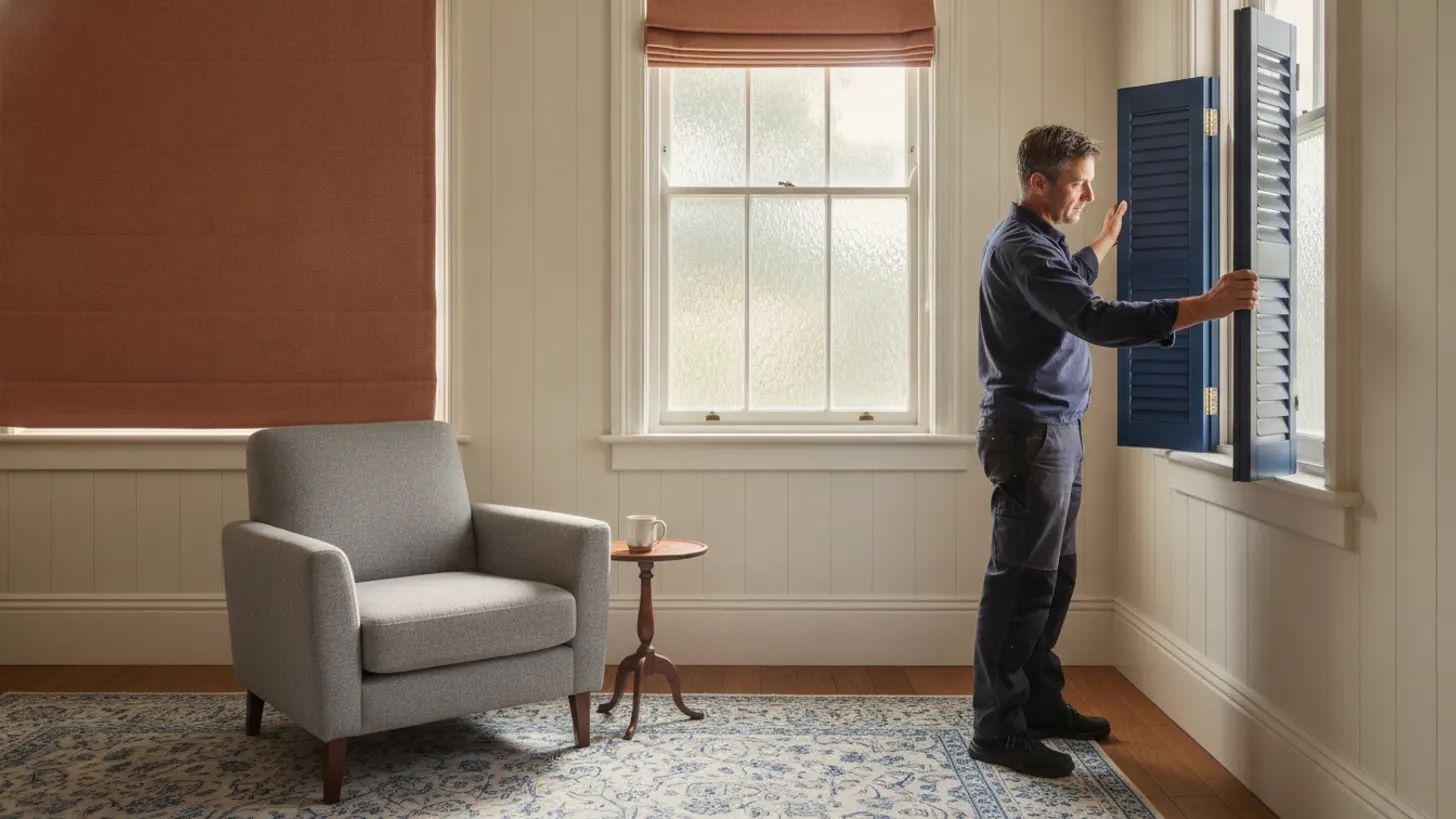
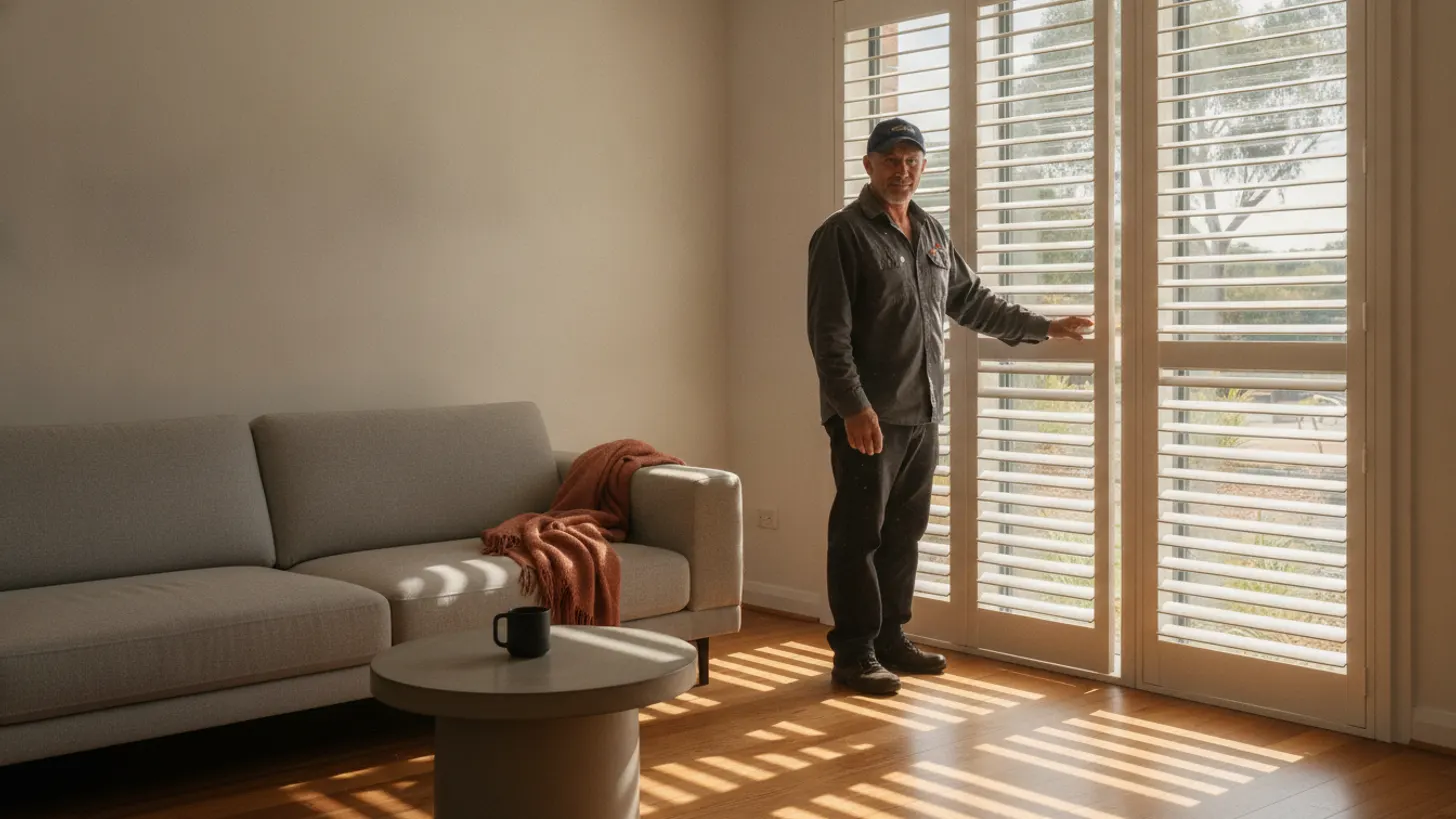
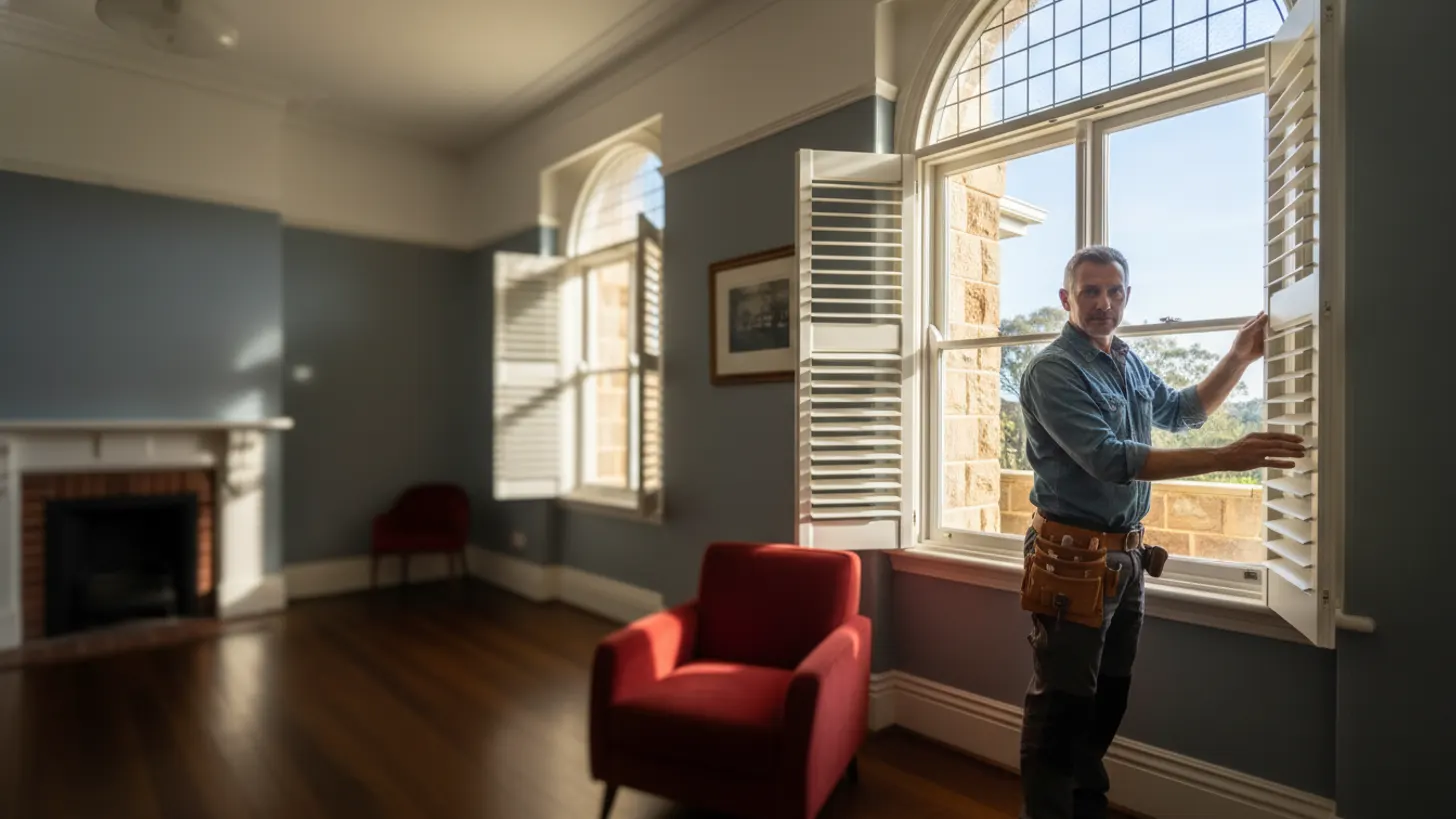
Can you put plantation shutters on a Federation cottage in a heritage conservation area? Window treatments heritage home NSW projects sit between two rulebooks: local council heritage controls, and your need to actually live in the house. We measure and quote heritage jobs across the Riverina every week, and the short answer is yes, you can. But only with the right material, the right fixing method, and a Statement of Heritage Impact your council will sign off.
What counts as a heritage home in NSW
A heritage home in NSW is any property listed on the State Heritage Register, a local Schedule 5 heritage item, or one inside a heritage conservation area mapped under a council's Local Environmental Plan. That covers most of inner Wagga, parts of Griffith, plus protected pockets in Temora, Junee, Cootamundra, and Hay.
The three categories matter because they trigger different approval pathways. State Register listings are the strictest: any external change goes through Heritage NSW under Section 60 of the Heritage Act 1977. Local Schedule 5 items run through your council under its LEP. Heritage Conservation Area listings only catch work that affects the streetscape, so internal soft furnishings usually escape the process entirely.
Most of the work we do across the Riverina sits in HCAs rather than on the State Register. Old Temora north of Hoskins Street, the Beulah area of Wagga, and the Griffith Garden City precinct all have HCAs where window furnishings are visible from the road. That visibility is what triggers the assessment, not the age of the building. For any window treatments heritage home NSW project, that visibility check is the first thing we do on a measure.
Window treatments heritage home NSW: what councils approve
For most heritage homes in the Riverina, internal soft furnishings and timber shutters are exempt or complying development. External works to street-facing windows almost always need a Development Application with a Heritage Impact Statement. Window treatments heritage home NSW assessments turn on three things: visibility from the street, reversibility of the fixing, and honesty of the material to the building era.
The current rulebook is the State Environmental Planning Policy (Exempt and Complying Development Codes) 2008. Under the General Exempt Development Code, internal window coverings are exempt if they do not damage protected fabric and can be removed without trace. That covers most plantation shutters, roman blinds, curtains, and roller blinds when fitted to internal architraves with surface-mounted brackets rather than through-screwed into original sashes.
External work is a different conversation. Awnings, zipscreens, roller shutters, and external sun blinds on a street-facing elevation almost always need development consent. The Master Builders Australia heritage section sets out the standard scope expected in a Heritage Impact Statement, including a photographic record before installation and a reinstatement scope for the day the treatment is eventually removed.
Choosing window treatments heritage home NSW by building era
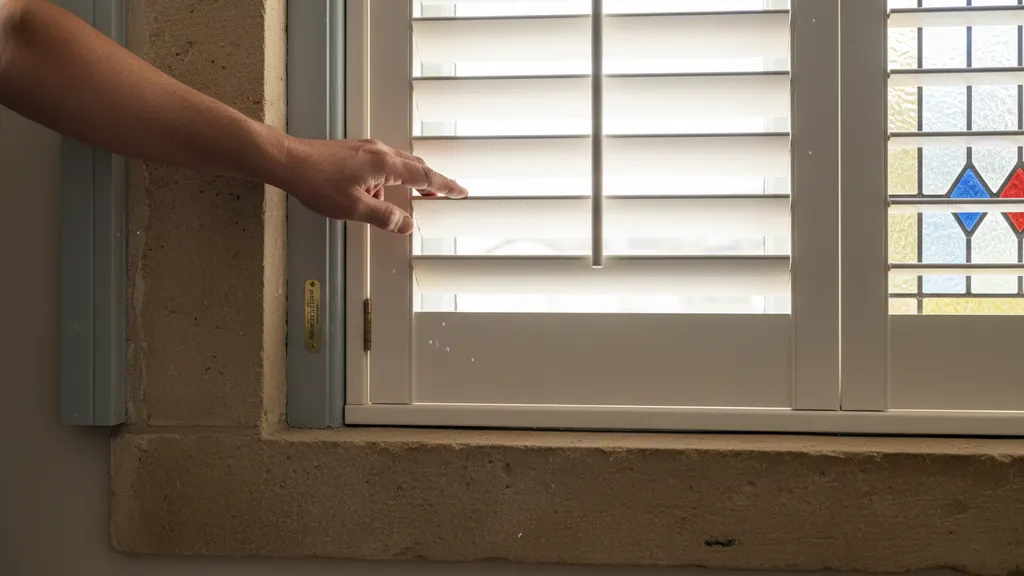
Match the treatment to the build year. Victorian terraces (1840-1900) wore heavy drapes and timber roller blinds. Federation cottages (1890-1915) used timber Venetians and lace under-curtains. California Bungalows (1915-1940) ran simpler box pelmets and Holland blinds. Window treatments heritage home NSW projects look wrong when the era and the fabric clash, and council assessors notice on the first site visit.
| Era | Typical original treatment | Best modern equivalent | What to avoid |
|---|---|---|---|
| Victorian (1840-1900) | Heavy drapes, timber Venetians | Lined drapery with pelmet, 114mm timber shutters | White PVC shutters |
| Federation (1890-1915) | Lace under-curtains, timber rolls | Voile sheers plus 89mm plantation shutters | Aluminium Venetians |
| Edwardian (1901-1915) | Holland blinds, light curtains | Roman blinds in linen | External roller shutters |
| California Bungalow (1915-1940) | Box pelmets, Holland blinds | Block-out roller behind original pelmet | Vertical blinds |
| Art Deco (1925-1945) | Metal Venetians, geometric drapes | 25mm aluminium Venetians, geometric pelmets | Country-style timber shutters |
The biggest mistake we see is white PVC plantation shutters on a Federation cottage. The era is right, the colour is right, but the material reads cheap from the street and councils in Wagga and Griffith have started flagging it in heritage reviews. Solid basswood or western red cedar in the same profile costs more, lasts longer, and clears approval first time. For Victorian terraces, the original drapery had a pelmet hiding the curtain track plus side returns sealing the curtain to the wall. Replicating that detail matters more than the fabric pattern. The YourHome guide on passive shading covers the thermal logic behind closed pelmets. See also our breakdown of plantation shutters versus roller blinds for the day-to-day differences.
Materials and fabrics for window treatments heritage home NSW
Solid timber, linen, cotton velvet, and powder-coated steel pass heritage review in the Riverina. MDF louvres, PVC slats, polyester satins, and unfinished aluminium do not. Window treatments heritage home NSW specifications should name the material in your Heritage Impact Statement so the council assessor can verify it at handover.
Timber species matters. Basswood is the lightest grain and takes paint best, which suits Federation white shutters. Western red cedar has a warmer tone that sits better against unpainted timber sashes in late Victorian homes. Both are stable in the Riverina's hot dry summers and cold winters, where MDF louvres swell and warp within five years per CSIRO timber durability research.
For fabrics, weight is what your council assessor is looking at. A 350gsm linen or 450gsm cotton velvet hangs the way a period drape hangs. A lightweight polyester satin does not, and it shows from the street. Hardware should be antique brass, blackened steel, or hand-finished bronze. Chrome and brushed nickel read modern and are usually called out in heritage reviews. Anti-fade coatings matter on west-facing windows: the Riverina sees roughly 280 clear-sun days a year per Bureau of Meteorology climate records, and untreated linen fades within three summers.
Energy performance and acoustic comfort
Energy performance is where window treatments heritage home NSW projects pay back over winter. Single-glazed sashes in a heritage cottage lose three to four times more heat than a modern double-glazed window per Australian Standard AS/NZS 4859. The right internal treatment claws back most of that loss. Drapery with a closed pelmet wins, honeycomb cells come second, plantation shutters third.
Riverina winters are colder than people remember. Wagga averages a 1.4°C minimum in July and Temora a 0.9°C minimum, per long-run BoM data. That cold air falls down the inside of single glazing all night, and unless you have a sealed treatment the heating you paid for ends up under the windowsill by morning.
The bar chart pairs with the Energy.gov.au window coverings guide and matches what we measure on site with an infrared thermometer. Heritage owners often assume shutters are warmest because they look solid. They are not. Drapery wins because the air seal at the pelmet and the side returns is tighter than any louvre system. For acoustic comfort, mass is what matters. A 600gsm interlined drape cuts traffic noise by about 8dB at 1kHz, the difference between a road you notice and a road you forget. Cellular blinds add 5dB. Plantation shutters add almost nothing because the louvre gaps stay open even when closed.
The second chart shows the point: heritage homes are concentrated in the same towns where July nights drop near zero, so the energy case for proper internal treatment is strongest where the original glazing is most exposed. Most of our heritage measures in Wagga and Temora end with a heavier drapery spec than the customer first asked for. For a longer comparison of soft furnishings in Riverina conditions, see our piece on curtains versus blinds in Riverina homes.
What our in-home consultation includes
Chris or Campbell visits your home, measures every reveal, talks through your council's heritage controls, and writes a quote on the spot. We bring physical samples of timber louvres, fabric swatches, and hardware finishes so you can match them against your existing skirtings and architraves before signing anything.
A heritage consultation takes 60 to 90 minutes. We start with the street facade and work inward, photographing every window and noting which ones face public view. For each one we talk through realistic options: which treatments will clear council, which will need a DA, and which would be a waste of your money to even propose. Window treatments heritage home NSW work is as much about ruling things out as recommending them.
We then measure every reveal in millimetres, check for out-of-square frames (common in homes over 80 years old), and write a line-item quote covering material, hardware, installation, removal of existing, and rubbish disposal. There is no high-pressure pitch and no follow-up sales call unless you ask for one. Our in-home measure and quote process is the same for every job whether it is a single bay window or a full Federation cottage. For heritage paperwork, we supply the material specs and product literature your draftsperson needs for the Heritage Impact Statement.
Frequently asked questions
Do I need council approval to install plantation shutters inside a heritage-listed home?
In most NSW council areas, internal window furnishings on a heritage-listed home are exempt development if the fixings are reversible and the external streetscape reading is unchanged. That means you can usually install timber plantation shutters, roman blinds, or curtains without lodging a Development Application. We still recommend a one-page letter to council confirming the work scope before we install, especially if your home is on the State Heritage Register. The YourHome glazing and shading guide and your local LEP both treat reversibility as the key test. Reversible means you can remove the treatment in 10 years and the original window survives intact.
Can I fit external roller shutters to a Victorian cottage in a heritage conservation area?
External roller shutters on a Victorian cottage facing the street almost always require development consent in heritage conservation areas across the Riverina. Most councils refuse aluminium roller boxes outright on listed facades because they break the original eave line and shadow the architrave. We see them approved on rear elevations, particularly in dark powder-coated finishes that read as recessive. Side and rear windows have a higher approval rate than the primary street facade. If you need bushfire compliance, internal heavy drapery plus a removable external mesh screen is often a better path than fixed shutters per the Master Builders heritage retrofit guidance.
What is the best window treatments heritage home NSW choice for cutting winter heat loss?
Heavy interlined drapery with a closed pelmet and side returns cuts the most heat loss in a single-glazed heritage farmhouse. The YourHome government guide puts the saving at up to 40% compared to bare glass. Honeycomb cellular blinds come second at around 30% reduction. Plantation shutters help around 25%, mainly by cutting cold air convection at the glass surface. The pelmet and side returns matter more than people realise, because they stop the chimney effect of cold air falling between the curtain and the window. Without that seal, even the heaviest curtain loses most of its rated R-value.
Are blind cord safety standards different for window treatments heritage home NSW installations?
Blind cord safety standards are the same for heritage homes as for any other Australian dwelling. AS/NZS 4220 mandates child-safe cleats, cord locks, and tensioners on any corded blind sold or installed since 2015, and the ACCC corded window coverings rules back this up at federal level. The standard does not exempt heritage properties. We install motorised options or cordless lift mechanisms on every job where children under six are in the house. The motors and cordless mechanisms hide inside the headrail, so they do not change the heritage reading of the window from outside. See our child-safe blinds guide for a deeper rundown.