Rental Properties · 14 min read
Shutters for rental properties Australia: NSW landlord guide 2026
Chris & Campbell · 25 September 2026
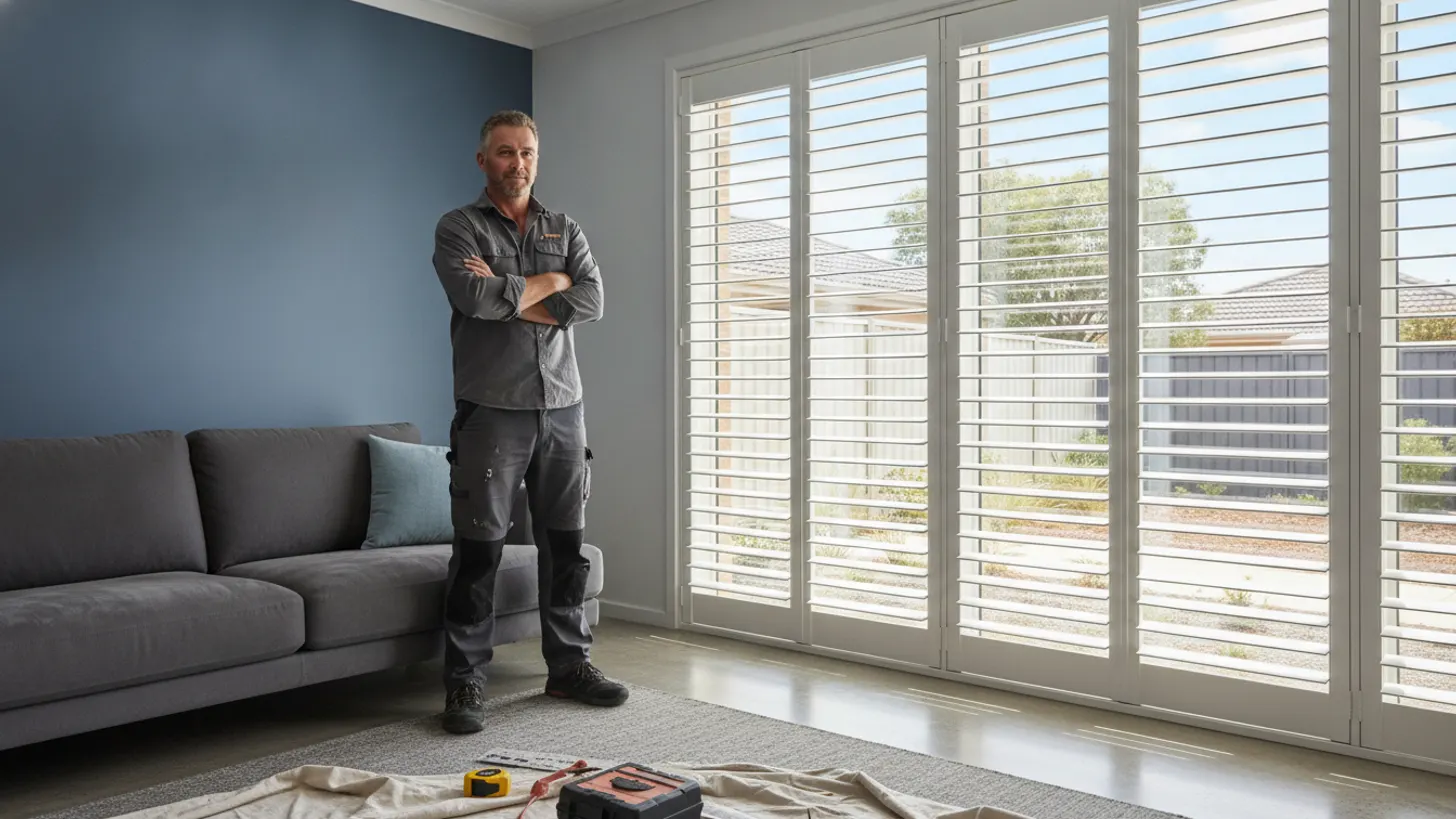
"If I put shutters in, can the tenant take them out?" That question comes up on nearly every rental job we've quoted since we started LuxeShutters in Temora in 2011. The short answer: shutters for rental properties Australia wide are fixtures, so they belong to the landlord and stay with the property. Get the install, the safety compliance, and the repair split right at the start and you avoid the arguments later.
Can landlords install shutters for rental properties Australia? NSW law explained
Installing shutters for rental properties Australia wide is the owner's decision, not the tenant's. Under the NSW Residential Tenancies Act 2010, anything fixed to the building counts as a fixture, and fixtures form part of the premises the landlord provides and maintains. A tenant needs the landlord's written consent before altering or removing them.
That matters in practice. If you own an investment property in Temora, Wagga or Griffith and you fit shutters, they stay with the house when the lease ends. The tenant cannot take them, and you cannot bill a departing tenant for normal ageing of panels or hinges. Every rental job we look at starts the same way: we measure and quote on site so the owner sees itemised pricing per window before anything is ordered.
If you are weighing shutters against roller blinds or curtains for a tenanted house, our guide to the best window coverings rental property Australia landlords use sets out how each option holds up under tenant turnover.
We cover the details separately in Plantation shutters cleaning Australia: the homeowner's guide.
We cover the details separately in Plantation shutters home value Australia: NSW resale guide 2026.
We cover the details separately in Motorised shutters Australia: smart home control for NSW homes.
We cover the details separately in French door shutters Australia: NSW guide to sliding and hinged doors.
We cover the details separately in Bathroom shutters Australia: moisture-resistant window solutions.
Related reading: Acoustic shutters Australia: reduce outside noise in NSW homes.
We cover the details separately in Apartment window shutters Australia: strata approval guide NSW.
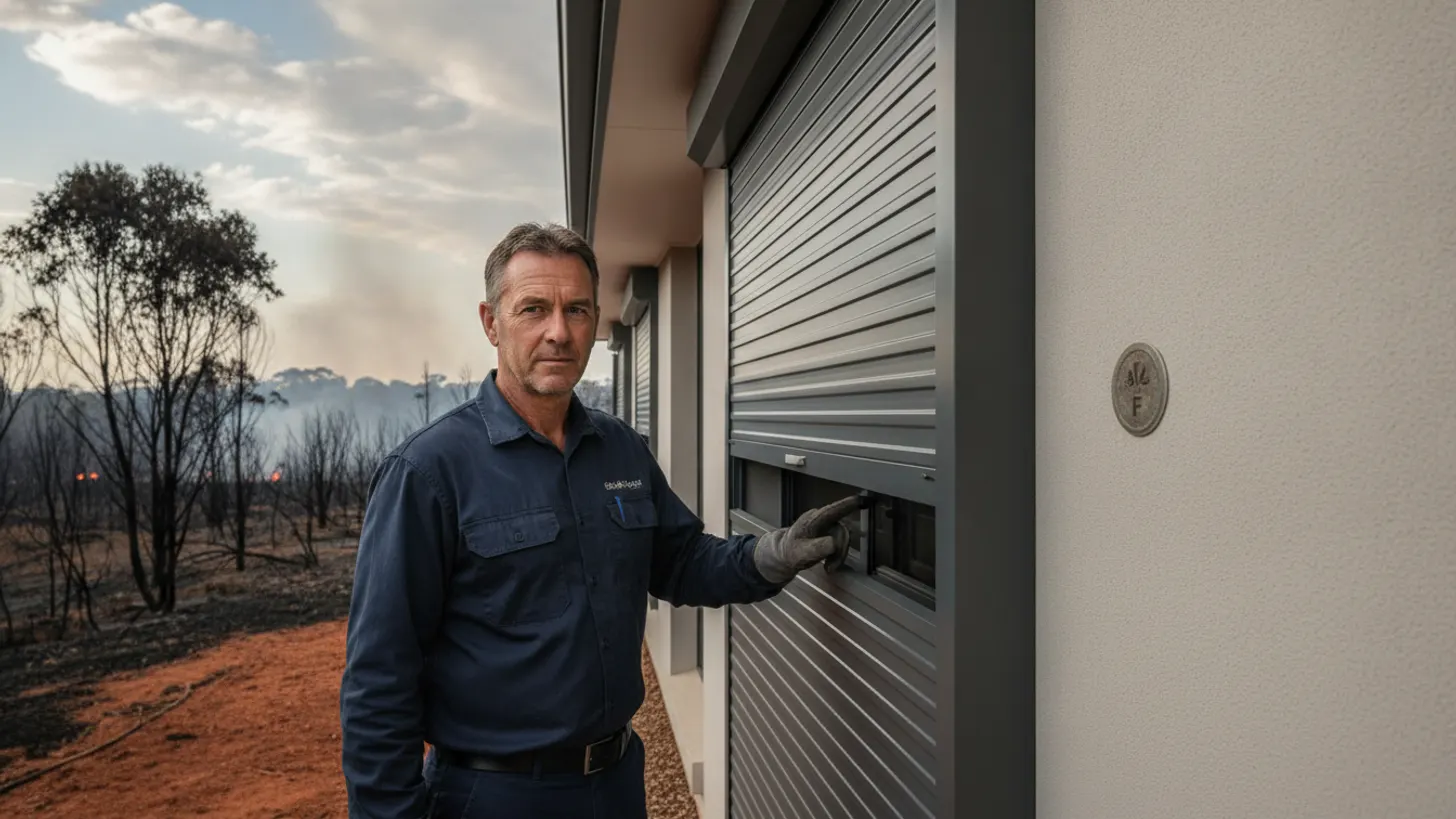
There is a full breakdown of this topic in Security shutters Australia: privacy and protection for NSW homes.
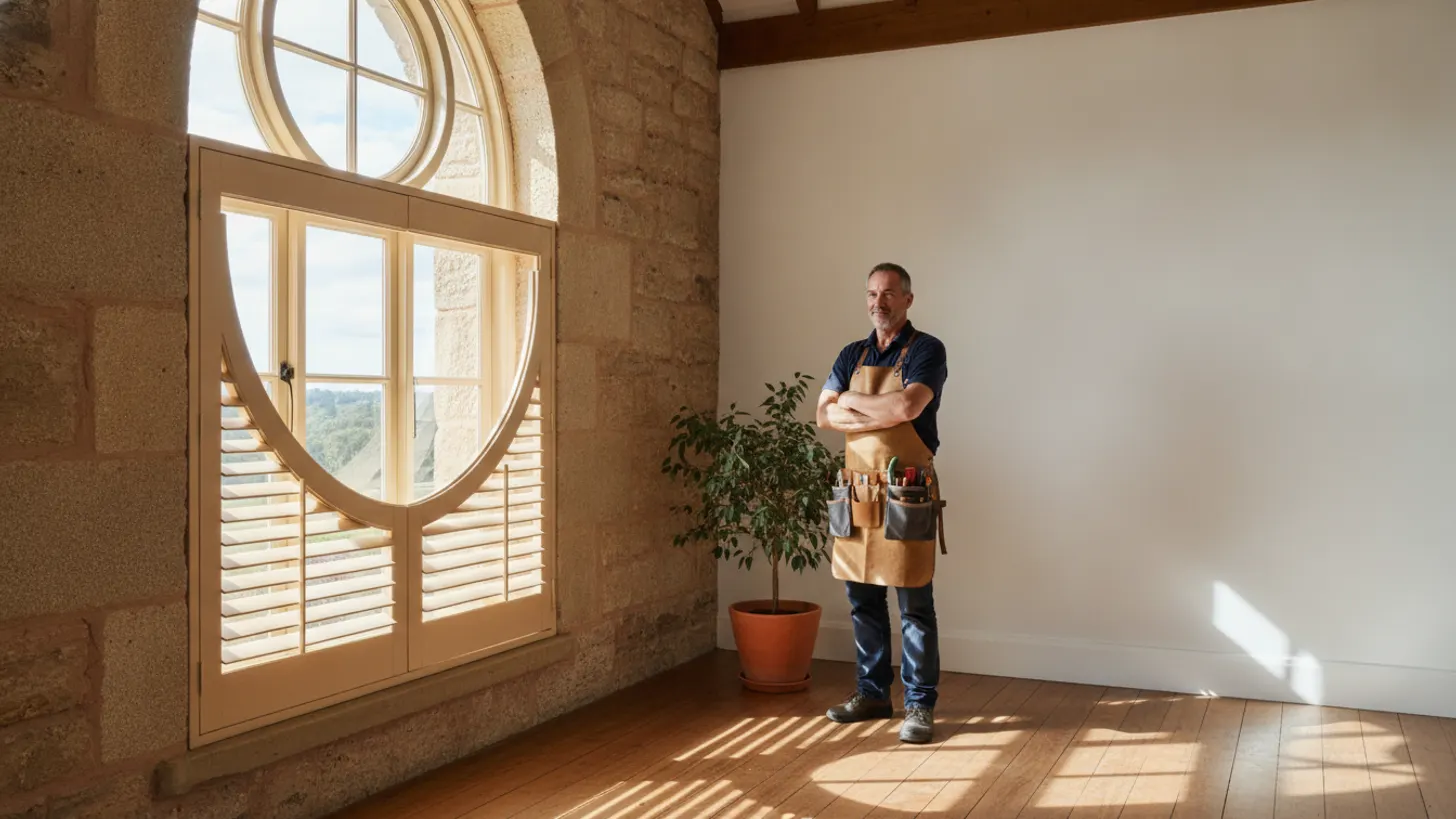
There is a full breakdown of this topic in Arched window shutters Australia: custom solutions for NSW homes.
There is a full breakdown of this topic in Coastal window shutters Australia: corrosion-resistant NSW guide.
What tenants need to know about window covering rules in NSW
Tenants can use the shutters, open and close them, and are expected to keep them clean. What tenants cannot do is remove, repaint, or re-drill them. The standard residential tenancy agreement under the Residential Tenancies Regulation 2019 requires written consent for alterations, and that includes swapping window coverings.
Tenants who want better light control without touching the fixtures still have options: freestanding screens, tension-rod sheers inside the reveal, or a written request to the owner. Owners who say yes to a reasonable request often get a longer tenancy out of it. The split of duties on shutters for rental properties Australia wide is easier to see side by side.
Are shutters for rental properties Australia a better investment than blinds?
On a cost per year basis, often yes. A plantation shutter service life of 15 to 25 years means shutters for rental properties Australia wide can outlast three or four tenancies on one install, while sun-bleached fabric and bent slats get replaced far more often. Higher upfront, longer cycle.
Purchase costs vary by material, size and drive type. Canstar Blue's Australian research on blinds, shutters and awnings is a fair starting point for market ranges, and our plantation shutters cost guide for NSW homes breaks down what moves the number. We never quote sight unseen: every price we give follows a measure and quote visit.
| Factor | Plantation shutters | Roller blinds | Curtains |
|---|---|---|---|
| Service life | 15 to 25 years | Shorter, fabric and spring wear | Shorter, fabric fades and sags |
| Turnover clean | Wipe down, no laundering | Spot clean fabric | Take down and launder |
| Cord safety rule | Cordless by design | Standard applies if corded | Standard applies if corded |
| Tenant damage risk | Low, rigid panels | Moderate, fabric tears | Moderate, hem and hook damage |
| Partial repair | Louvre or hinge replaced | Usually the whole blind | Usually the whole drop |
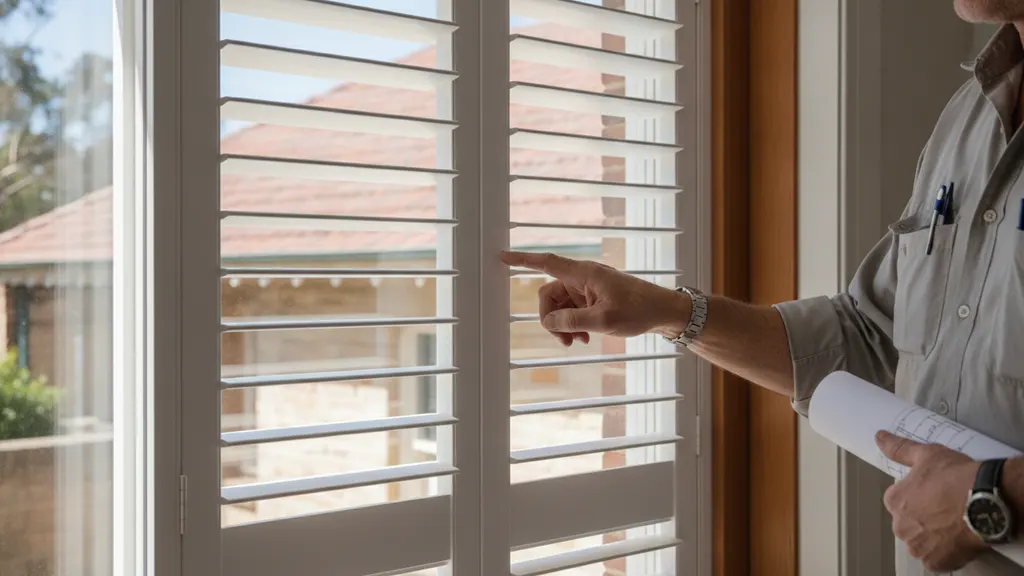
Material choice drives the durability side of that comparison. PVC and aluminium handle wet rooms and hard use better than painted timber, which matters when you are not inspecting the property weekly. Our timber versus PVC shutter comparison covers where each one fails first. On the comfort side, the Australian Government Your Home guide chapter on glazing explains why controlling heat at the window is the cheapest improvement available in most houses.
Maintenance and repair duties for shutters for rental properties Australia
Repairs to shutters for rental properties Australia wide follow the same rule as any other fixture: the landlord fixes fair wear and tear, the tenant pays for damage they caused. A stiff hinge after eight years is the owner's problem. A snapped louvre from a slammed panel is not.
Practical points for owners: photograph every window covering at the start of the tenancy, record the finish and frame type in the condition report, and keep the installer's order details so a single damaged panel can be matched years later. Repairs that are urgent under NSW rules, such as a failed security shutter that leaves a house insecure, need attention fast. On the trade side, fixture work like this should go to someone licensed for the job, with an invoice and warranty the owner can file for the next inspection or sale.
Corded blind safety rules for shutters for rental properties Australia
Corded internal window coverings sold in Australia must meet the Consumer Goods (Corded Internal Window Coverings) Safety Standard 2014, a mandatory standard issued under the Australian Consumer Law and built on AS/NZS 4666:2014. It sets cord tension device, cleat and warning label requirements. For rental properties the obligation sits with whoever supplies and installs, so landlords should ask the installer to confirm compliance in writing.
This is one of the strongest arguments for shutters for rental properties Australia wide when children live in the home: hinged panels and louvre tilt rods carry no loop cord at all. If you prefer blinds, specify cordless or motorised operation. The underlying Australian and New Zealand standard for corded internal window coverings, AS/NZS 4666:2014, is published by Standards Australia, and our guide to cordless blinds and child safety in NSW covers what to put on the order.
How shutters for rental properties Australia affect tenant satisfaction and rental appeal
Tenants notice two things at inspection: how private the bedrooms feel and how hot the western rooms get. Shutters answer both, which is why shutters for rental properties Australia wide tend to photograph well and let agents lead with light control rather than apologising for it.
Comfort is not a feel-good line item in the Riverina, where Bureau of Meteorology data shows summer afternoons regularly topping 40 degrees and winter mornings sitting below freezing. In late 2023 we fitted shutters through a four-bedroom rental in Griffith where the owner had knocked $30 a week off the rent for two tenancies running, because the back bedrooms turned into a hotbox every summer. Eighteen months on, the same owner told us the current tenant renewed without asking for a reduction. Guidance from energy.gov.au on household heating and cooling backs up what we see on site: window coverings sit near the front of the cheapest-comfort list, well ahead of a split system upgrade.
On resale the same install works twice. Our post on plantation shutters and home value at NSW resale covers what buyers and valuers make of fitted shutters when an investment property goes to market.
Frequently asked questions
Can a tenant install shutters in a NSW rental?
Not without the landlord's written consent. Shutters screw into the window frame or reveal, so they are a fixture and an alteration to the premises. Under the Residential Tenancies Act 2010 (NSW) a tenant must get the owner's agreement before making that kind of change, and the owner can set conditions such as who installs them and what happens at the end of the lease. If consent is given, get it in writing and record it on the condition report. Anything fitted becomes part of the property unless the agreement says otherwise.
Who pays to repair broken shutters in a rental property?
Split it by cause. Fair wear and tear, a hinge that loosens after years of use or a finish that ages, is the landlord's cost because the shutters are a fixture the owner supplies under the Residential Tenancies Act 2010 (NSW). Damage caused by the tenant or their visitors, a kicked panel or a snapped louvre, is the tenant's cost. Urgent repairs that leave a property insecure, such as a failed security shutter on a ground floor window, should be reported straight away and actioned quickly. Photographs in the ingoing condition report settle most of these arguments before they start.
Do shutters add value to an investment property?
They help two ways. Fitted shutters read as permanent joinery rather than a soft furnishing, and they remove the tired-blind problem that drags down inspection photos. The Australian Government Your Home guide makes the wider point that controlling heat at the window is one of the cheapest comfort improvements available to a house, and comfort is what tenants and buyers pay for. We do not put a percentage on resale uplift because nobody can support that figure, but a window covering that lasts 15 to 25 years is one less line item for the next owner.
Are shutters safer than blinds for rentals with young children?
On cord risk, yes. Hinged shutter panels and tilt rods have no loop cord, so the hazard that the Consumer Goods (Corded Internal Window Coverings) Safety Standard 2014, the AS/NZS 4666:2014-based mandatory standard under the Australian Consumer Law, exists to control is simply not present. Corded blinds and curtains can still be used in rentals, but they must comply with that standard, including cord tension devices, cleats and warning labels. Landlords fitting out a family rental often default to shutters for rental properties Australia wide for exactly this reason, or they order cordless and motorised blinds and keep the supplier's compliance paperwork on file.
How long do plantation shutters last in a rental home?
Plan on 15 to 25 years of service life, which is the range quoted for quality plantation shutters in Australian homes and the reason landlords choose shutters for rental properties Australia wide over soft coverings. The variables are material and exposure: PVC and aluminium cope with wet rooms and harsh western sun better than painted timber, and hardware quality decides whether hinges and tilt rods survive a decade of daily use. In a rental the practical benefit is that one install can carry several tenancies instead of a fresh order between every lease. Market cost ranges for the purchase are tracked by Canstar Blue.
Can a landlord charge a tenant for cleaning the shutters at the end of a lease?
Only if the state of them goes beyond fair wear and tear. Routine dusting and wiping is ordinary tenant care under the standard agreement in the Residential Tenancies Regulation 2019 (NSW), and a tenant is expected to leave the shutters reasonably clean. Built-up kitchen grime or nicotine staining can be charged, ordinary dust from a Riverina summer cannot. Shutters make this easier than fabric because a damp microfibre cloth handles most of it, with no laundering or rehanging, and energy.gov.au household guidance is a reminder that coverings kept in working order also keep running costs down.