Energy Efficiency · 15 min read
Energy efficient window treatments Australia: cutting NSW power bills
Chris & Campbell · 22 July 2026
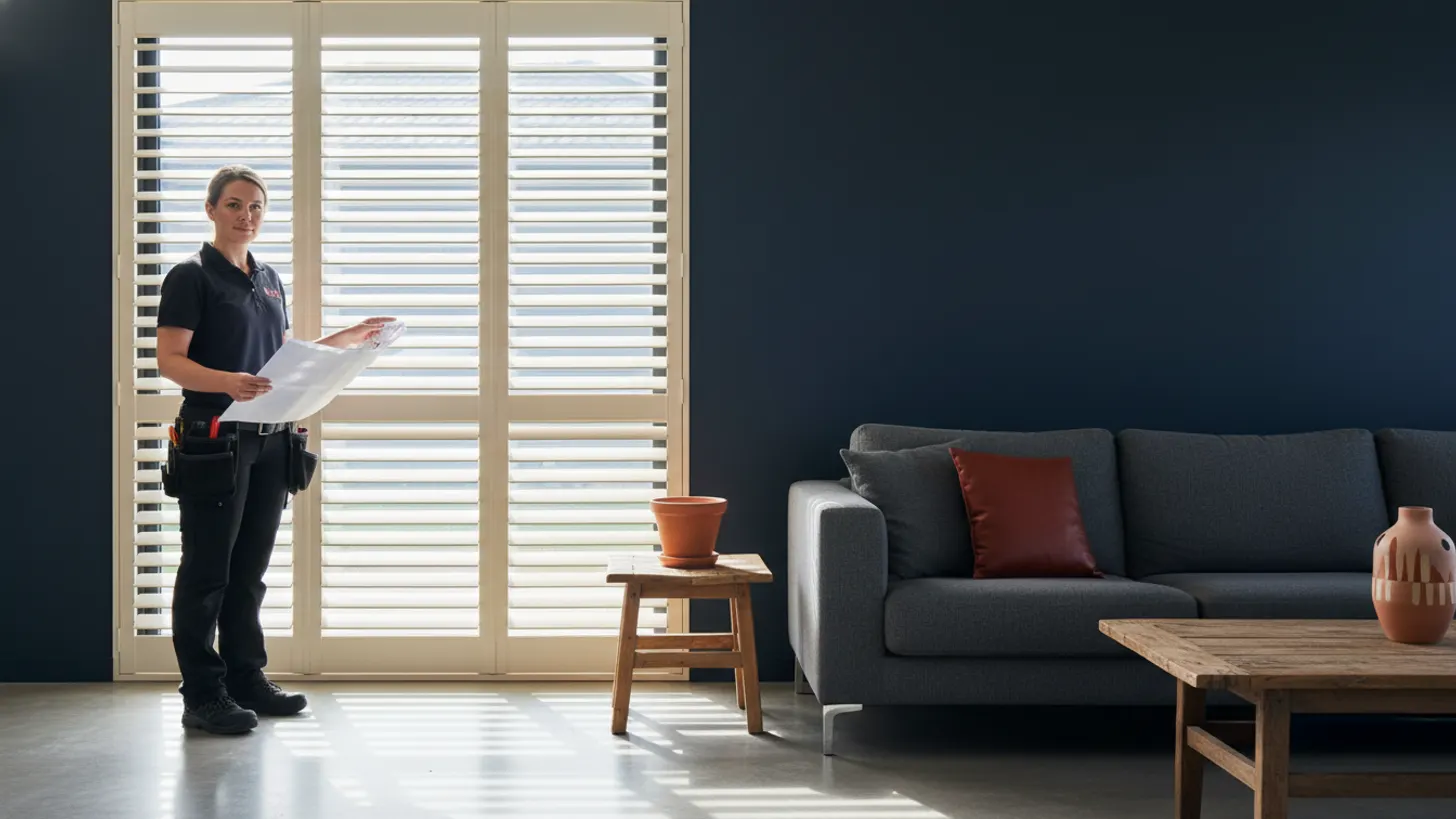
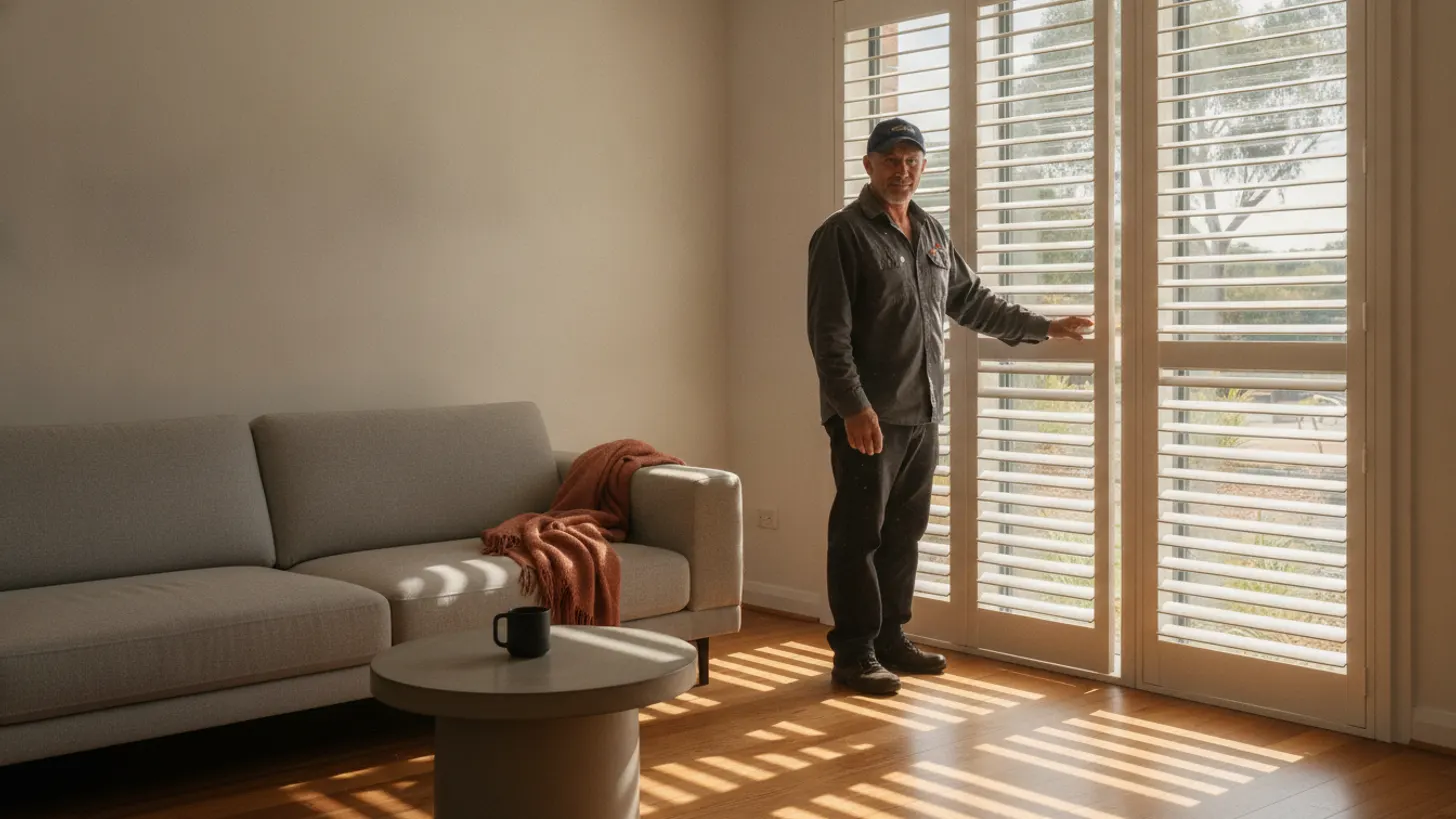
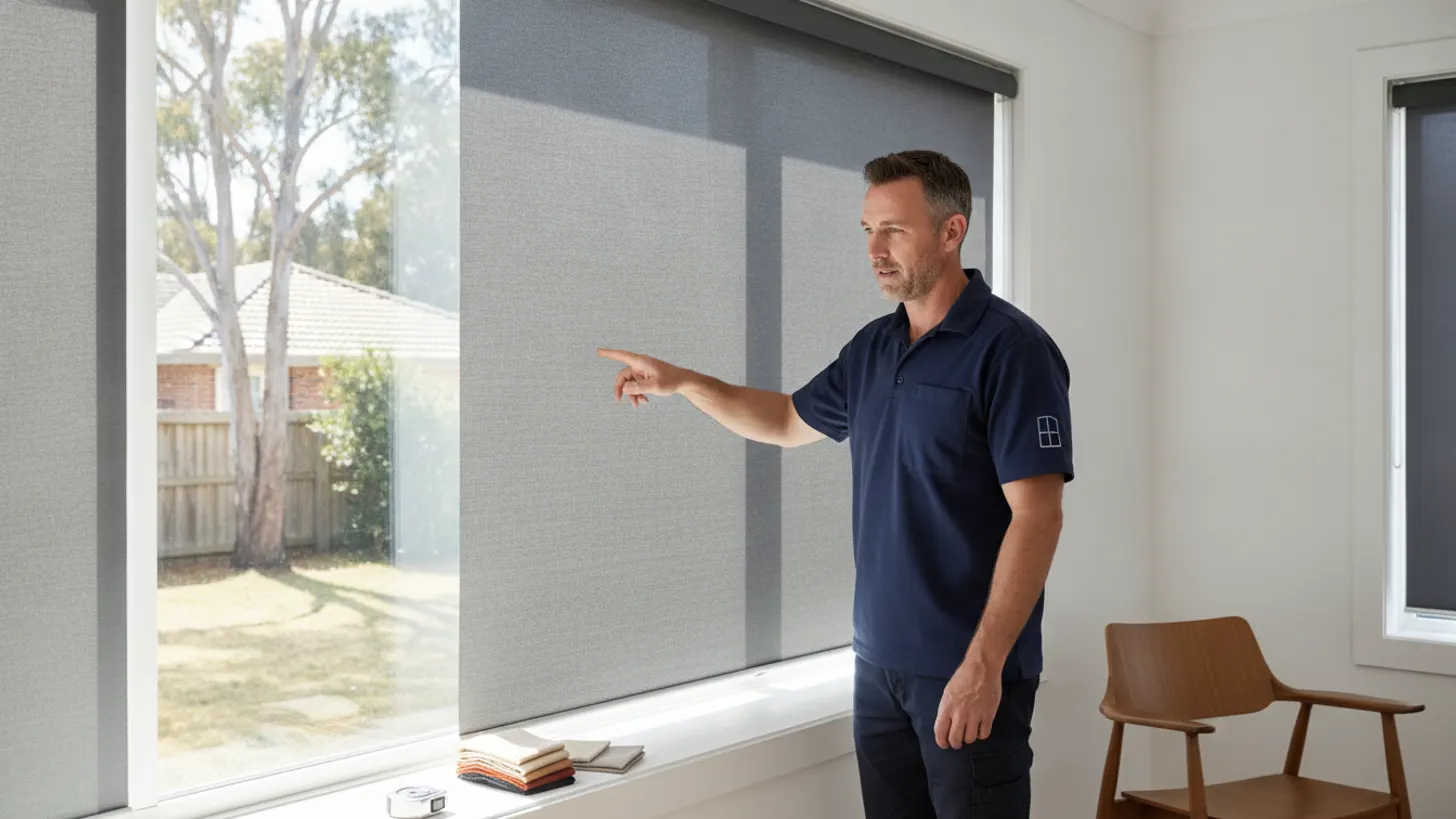
Why are your power bills still climbing after you upgraded the split system? In most Riverina and coastal NSW homes we walk through, the answer is bare or badly fitted windows. Well-chosen energy efficient window treatments Australia homeowners can install this month often do more for comfort than any HVAC tweak. This guide is how we, as a CWGlobal authorised dealer working across Temora, Wagga and Griffith, decide what to measure and quote for real homes.
How much do windows really cost you on a NSW power bill?
Uncovered windows drive approximately 40% of winter heat loss and up to 87% of summer heat gain in a typical Australian home, according to YourHome (Australian Government), making bare glass the largest single thermal drain in most NSW houses. On a 40C Griffith afternoon, that is the difference between a split system that idles and one that never stops.
In practical terms, we see three installation failures that stop even the best energy efficient window treatments Australia homeowners choose from performing: aluminium-framed single glazing with no reveal seal, curtains that stop above the pelmet and let warm air roll down the glass, and roller blinds fitted outside the reveal so light and heat spill around every edge. Any of the three will keep bills high even after a heat pump upgrade. The YourHome guide on windows lays out the physics behind why the treatment matters as much as the glass. For homes in extreme inland climates, our Temora extreme heat and cold guide covers the local specifics.
Which materials matter for energy efficient window treatments Australia homes actually need?
Three materials reliably deliver the best results for energy efficient window treatments Australia climate conditions demand: honeycomb cellular fabric, tight-weave blockout curtain lining, and solid PVC or timber shutter louvres. Each traps still air, blocks direct solar radiation, and stays dimensionally stable through 45C summers and sub-zero winter mornings across NSW climate zones from the coast to the inland Riverina.
Honeycomb cellular blinds take their name from their cross-section: the fabric is folded into hexagonal tubes, either single or double cell, that trap a still column of air between the glass and the room. A double-cell blind fitted to a single-glazed NSW window typically achieves an R-value of R0.5 to R0.8, compared with R0.16 for bare glass. The R-value (thermal resistance, measured in m²K/W) is the industry-standard measure of how well a product slows heat transfer: the higher the figure, the better the insulation. According to energy.gov.au, still air is one of the most cost-effective insulators available, which is exactly why a sealed air pocket performs so well. Plantation shutters give a solid physical barrier and adjustable louvre control for glare, which is why they dominate street-facing living rooms. Layered curtains with a proper pelmet stop the cold-air waterfall down the glass at night. The CSIRO energy efficient buildings research keeps returning to the same principle: seal the edges, trap the air, block the sun.
How to read a fabric spec without getting sold
Ask for a documented R-value or U-value on the finished product, not the raw fabric. A generous cell size on honeycomb, a proper triple-pass blockout on curtain lining, and a shutter frame that seals to the reveal all matter more than the marketing copy on the swatch card. Our energy-efficient window coverings guide breaks the label language down further.
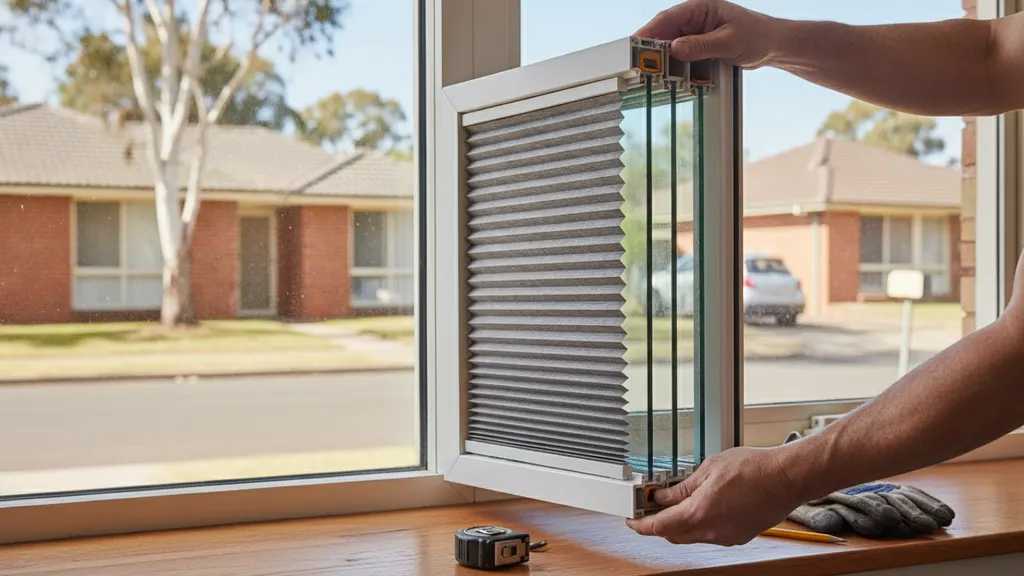
Honeycomb blinds versus plantation shutters for energy efficient window treatments Australia buyers compare
Honeycomb cellular blinds cut single-glazed window heat loss by up to 40%, according to WFAANZ performance testing, making them the winter insulation leader among energy efficient window treatments Australia buyers typically compare. Plantation shutters achieve moderate winter insulation but their louvre gaps allow controlled airflow, which is why they lead on summer heat rejection but fall short in winter unless paired with a curtain. The right choice depends on the room's orientation and primary failure mode, not the product name.
In NCC Climate Zone 4, which covers Wagga Wagga and the broader Riverina, both summer cooling and winter heating loads are large enough that a single product rarely covers both seasons well. Double-cell honeycomb blinds with side channels typically achieve R0.5 to R0.8 on a single-glazed window, a more than threefold gain on bare glass (R0.16). Plantation shutters with louvres angled at 45 degrees cut direct solar gain on west-facing rooms in summer, reducing afternoon cooling demand without the full blockout a honeycomb blind creates. Lined curtains with a sealed pelmet add R0.3 to R0.5 to the same window and are the most accessible entry point for a landlord or renter. Sustainability Victoria's home energy research supports the same layered conclusion: pair a close-fit blind for winter nights with a shutter or pelmet curtain for summer days. For a full product comparison on a NSW brief, see our plantation shutters vs roller blinds guide.
| Treatment | Winter insulation | Summer heat rejection | Best rooms |
|---|---|---|---|
| Double-cell honeycomb blind | High (up to 40% heat loss cut, WFAANZ) | Moderate | Bedrooms, media rooms |
| Plantation shutter (PVC or timber) | Moderate | High with angled louvres | Street-facing living, kitchens |
| Lined curtain with pelmet | High if sealed | Moderate | Main living, master bedroom |
| Blockout roller blind alone | Low to moderate | Moderate | Rentals, laundries, home offices |
What NSW homeowners should check before choosing energy efficient window treatments Australia stores stock
Window orientation is the single deciding factor for energy efficient window treatments Australia homeowners need to get right. West and north-facing windows need summer heat rejection first; south and east-facing rooms need winter insulation first. A product that looks fine in a showroom behaves very differently on a west-facing Griffith window at 4pm in January.
On new builds, the National Construction Code 2022, administered by the Australian Building Codes Board, sets minimum thermal performance requirements for new residential builds in all NSW climate zones, so the treatment must be specified alongside the glazing, not added as a last-minute finish item. For apartments, strata by-laws can restrict what you fit externally, which we cover in our apartment blinds strata guide.
Questions we ask on every measure and quote
Every measure and quote visit we run in the Riverina starts with the same four questions: which orientation is each window, how many hours a day is the room heated or cooled, are there children or pets that force a cordless build, and is there heritage or strata overlay in play. Those four answers usually narrow the treatment to two candidates before we open a sample bag.
Are energy efficient window treatments Australia families install actually worth the upfront cost?
On most NSW homes, yes, but the payback maths depends on how leaky the starting point was. A home with bare aluminium single glazing and no curtains will see a dramatic bill and comfort change from any decent treatment. A home already fitted with lined curtains will see a smaller delta. The Canstar Blue electricity cost tracker is a useful reference point when you sanity-check what an extra hour of heating actually costs you.
The wider value of energy efficient window treatments Australia homeowners install extends beyond the quarterly electricity bill. Comfort is immediate: rooms stop feeling draughty at night once you seal the window edge properly. Resale value tracks with quality window furnishings across most NSW markets. Longevity matters too: quality plantation shutters and honeycomb blinds typically last 15 to 20 years with basic care. If you are building from scratch, coordinate the treatment with the window order, which is exactly the process we lay out in planning window treatments for a new build. The Standards Australia body publishes the AS/NZS testing methods that underpin any credible R-value or U-value claim on a blind fabric.
For a closer look at this, see Motorised blinds Australia: are smart window coverings worth the cost?.
Frequently asked questions
How much can energy efficient window treatments Australia homeowners install actually save on power bills?
The saving depends on how leaky your windows were to start with and which room you treat first. YourHome (Australian Government) reports windows drive around 40% of winter heat loss and up to 87% of summer heat gain in a typical Australian home. Well-fitted honeycomb blinds, layered curtains with a pelmet, or plantation shutters can claw back a large share of that. Most NSW households we visit around Wagga and Griffith see the biggest change on the west-facing living room and the main bedroom, where afternoon sun previously forced the split system to run for hours.
Are honeycomb blinds really better insulators than plantation shutters?
For pure thermal performance on a single glazed window, honeycomb cellular blinds usually win. Their sealed air pockets trap a still layer of air against the glass, and WFAANZ performance testing has recorded up to 40% reduction in heat loss versus bare glass. Plantation shutters give strong summer heat rejection when the louvres are angled and add solid privacy, but the louvre gaps mean they leak more warm air in winter. In practice we often pair the two across a home: honeycomb in bedrooms for winter warmth, shutters on street-facing rooms for summer heat and street noise.
Do I need double glazing before I bother with insulating blinds?
No. Retrofitting double glazing across a whole house is a serious spend and often blocked by heritage or budget. YourHome notes that adding a well-sealed internal treatment to single glazing can lift the effective thermal performance of the window at a fraction of the cost. In older Riverina homes with aluminium frames, we normally see the best value from honeycomb blinds with side channels, or lined curtains with a pelmet, before touching the glass itself. Once those are in, only the worst-performing windows usually justify a glazing upgrade.
What should I look for on the label when buying insulating blinds in NSW?
Ask for a documented R-value or U-value for the finished blind, not just the fabric. Reputable suppliers publish figures aligned with the Australian Window Association test method. Check the cell size on honeycomb (larger single or double cells trap more air), confirm the fabric is Australian-tested for UV and colourfastness, and ask whether side channels or a top pelmet are included. The National Construction Code 2022 sets minimum thermal performance for new builds, so if you are building, get the window plus treatment specified together, not as a last-minute add-on.
How long before energy efficient window treatments Australia buyers pay them back?
Payback varies with your tariff, house size and how many hours you run heating or cooling. Sustainability Victoria estimates well-chosen window coverings can cut heating and cooling energy use by a meaningful double-digit percentage in a leaky home. On a Temora or Wagga home running reverse-cycle air conditioning through 40C summers and sub-zero winter mornings, we typically see homeowners describe the change within one full billing cycle. Longer-term, quality PVC or timber shutters and quality honeycomb blinds usually last 15 to 20 years, so the payback keeps compounding.
Can I mix curtains and blinds for better insulation without it looking cluttered?
Yes, and it is often the highest-performing setup. YourHome recommends layering a close-fitting blind against the glass with a lined curtain and a sealed pelmet to stop the chimney effect where cold air slides down the window. In practical NSW homes, honeycomb blinds inside the reveal with S-fold sheer plus blockout curtains over the top look tidy and cut both summer glare and winter heat loss. The trick is committing to a pelmet or a ceiling-mounted track so warm air cannot slip behind the curtain and touch the glass.